Wednesday, 24 December 2014

Phthalates and BPA Linked to IQ Reductions in Children, but FDA Reasserts the Chemical’s Safety

By Dr. Mercola

A number of chemicals found in plastic products are known to act as endocrine disruptors. Being similar in structure to natural sex hormones, they interfere with the normal functioning of those hormones.

This is particularly problematic in children who are still growing and developing, as the glands of your endocrine system and the hormones they release influence almost every cell, organ, and function of your body.

Your endocrine system as a whole is instrumental in regulating mood, growth and development, tissue function, metabolism, as well as sexual function and reproductive processes, and endocrine-disrupting chemicals have in fact been linked to a number of reproductive health problems.

Phthalates are among the most pervasive of all known endocrine disrupters. According to estimates by the Environmental Protection Agency1 (EPA), more than 470 million pounds of phthalates are produced each year.

They're primarily used to make plastics like polyvinyl chloride (PVC) more flexible and resilient, but they can also be found in air fresheners, dryer sheets, and personal care products like shampoo, shower gels, and makeup. Their prevalence in personal care products is thought to be the reason why women tend to have higher levels of phthalates in their system than men.

Furniture, upholstery, mattresses, and wall coverings can also contain phthalates. They've even been detected in infant formula and baby food (likely because they migrated from the packaging materials).

Phthalates Now Linked to Reduced IQ in Children

While previous research has linked phthalate exposure to birth defects, low sperm count, polycystic ovary disease, and early or delayed puberty, just to name a few, recent research suggests prenatal phthalate exposure may also lead to reduced IQ in children.2,3

They also found an association between phthalate concentrations in the mother's system during pregnancy and the child's ability to concentrate, working memory, their perceptual reasoning skills, and the time it took for the child to process and retrieve information at the age of seven. As reported by CNN Health:4

"Women who had a high amount of the chemicals called di-n-butyl phthalate and di-isobutyl phthalate in their bodies during pregnancy gave birth to children who had markedly lower IQ scores, according to a new study running in the journal PLOS One.5

The study found that by the age of seven, children exposed to more of these chemicals had IQs that were more than six points lower than children exposed to lower levels of the chemicals...

The results from this study were not entirely what the authors expected. 'We are a little surprised at the magnitude of the IQ drop,' Factor-Litvak said... 'We are not happy about the finding since phthalates are very ubiquitous in the environment.'"

The exact cause for the reduction in IQ is still unknown, as this was only an observational study, but previous animal research has found that:6

  • Phthalates may affect the activity of aromatase, an enzyme that converts testosterone into estrogen. Estrogen plays an important role in brain development
  • The chemical may interfere with the production of thyroid hormone, which plays a role in the timing of brain development
  • Phthalates may also disrupt brain activity related to the neurotransmitter dopamine, which can produce symptoms like inattention and hyperactivity

BPA Can Have a Direct, Immediate Impact on Cardiovascular Health

Phthalates are not the only endocrine disruptor that can produce chronic health problems. Like phthalates, bisphenol-A (BPA) can be found in countless personal care and plastic products, including the liner of canned goods, plastic- and non-stick food containers, plastic wraps, water bottles, and cashier's receipts.

BPA, which mimics the hormone estrogen, has been linked to:

Structural damage to your brain Early puberty, stimulation of mammary gland development, disrupted reproductive cycles, ovarian toxicity,7 and infertility8
Hyperactivity, increased aggressiveness, and impaired learningHeart disease
Increased fat formation and risk of obesityStimulation of prostate cancer cells
Altered immune functionIncreased prostate size, decreased sperm production, and hypospadias9 (penis deformation)

Now we can add high blood pressure to this list. According to a brand new randomized, controlled trial,10 BPA from cans or plastic bottles can raise your blood pressure within just a few hours of ingestion.11 As reported by the New York Times:12

"The study found that when people drank soy milk from a can, the levels of BPA in their urine rose dramatically within two hours – and so did their blood pressure. But on days when they drank the same beverage from glass bottles, which don't use BPA linings, there was no significant change in their BPA levels or blood pressure...

[T]he findings suggest that for people who drink from multiple cans or plastic bottles every day, the repeated exposure over time could contribute to hypertension."

The amount of BPA leaching from the lining of cans may actually be more significant than previously thought. After drinking from a can, the levels of BPA in the participants' urine rose by about 1,600 percent, compared to when they drank soy milk stored in glass.

According to the authors, the effects may be caused by the fact that BPA blocks estrogen receptors that are involved with repairing blood vessels and controlling blood pressure. By disrupting your thyroid hormone, BPA may also affect your blood pressure indirectly. Lead author Dr. Yun-Chul Hong told the New York Times:13

"'Clinicians and patients – particularly hypertension or cardiovascular disease patients – should be aware of the potential clinical problems for blood pressure elevation when consuming canned food and beverages.' ...He recommended that people choose fresh foods and glass bottles over cans and plastic containers, and he urged manufacturers 'to develop and use healthy alternatives to BPA for the inner lining of can containers.'"

Amid Negative Publicity, FDA Reaffirms BPA's Safety

The industry trade group, the American Chemistry Council, has continually insisted that BPA is safe,14 and has opposed both state and federal legislative proposals to ban the chemical.

Interestingly, just three days prior to the online publication of the featured BPA study, the US Food and Drug Administration (FDA) issued an official announcement15 in which it reaffirms BPA's safety. After a four-year long review16 of 300 studies, the FDA has concluded that "BPA is safe at the current levels occurring in food." The agency also stated that "the available information continues to support the safety of BPA for the currently approved uses in food containers and packaging."

It is beyond irrational to conclude anything other than this verdict is a favor to the chemical industry. There is damning evidence against the use of BPA—particularly in food-related products that is being ignored. Ironically, Bloomberg,17 in reporting on the FDA's announcement, even mentions that there are "more than 800 academic studies that have concluded bisphenol-A could harm reproduction and development." So why did the FDA only review 300? And which 300 did they choose? And if there are 800 showing developmental harm, how is it that they managed to pick 300 that fail to make such a connection?

FDA's Assessment Is NOT in Line with International Findings

The fact of the matter is, when industry funds research, the results are FAR more likely to support the industry's claim of safety and effectiveness, and we know that many BPA studies were funded by the chemical industry. As discussed in a previous article, there's also a hidden network at play. Not only has the chemical industry borrowed the tobacco industry's strategies to keep their products on the market, they're also using tobacco industry 'experts' to back up their safety claims...

For example, industry-funded studies get published in certain journals that in many cases have links to the tobacco industry. The chemical industry has also relied on scientists that previously helped discredit the science linking smoking and second-hand smoke exposure to disease. Leaked minutes18 from a 2009 meeting of the BPA Joint Trade Association also revealed some of the tactics involved in shaping public opinion, regardless of the scientific facts.

Members of this trade association include the American Chemical Council, the American Chemistry Council, Coca-Cola, Del Monte, and many others. In this meeting, they explored a variety of messaging strategies. The attendees agreed that "the holy grail spokesperson" would be "a pregnant young mother who would be willing to speak around the country about the benefits of BPA." One of the most disturbing aspects of the chemical industry's efforts to hide hazardous effects is that they purposely target those who are the most vulnerable to damage, such as young children and pregnant women.

The FDA's assessment also flies in the face of a recent report co-produced by the World Health Organization (WHO) and the United Nations Environment Program (UNEP), titled: "State of the Science of Endocrine Disrupting Chemicals,"19 issued on February 19, 2014. This report suggests an outright ban on endocrine disrupting chemicals may be needed to protect the health of future generations. Touted as the most comprehensive report on endocrine disrupting chemicals to date, it highlights a wide variety of health problems associated with exposure, including:

Non-descended testes in young males Breast cancer in women Prostate cancer in men
Developmental effects on the nervous system in children Attention deficit /hyperactivity in children Thyroid cancer

According to the report:

 "The diverse systems affected by endocrine-disrupting chemicals likely include all hormonal systems and range from those controlling development and function of reproductive organs to the tissues and organs regulating metabolism and satiety. Effects on these systems can lead to obesity, infertility or reduced fertility, learning and memory difficulties, adult-onset diabetes or cardiovascular disease, as well as a variety of other diseases."

Beware: BPA-Free Claims Are Not an Assurance of Safety

In response to consumer demand for BPA-free products, many manufacturers have switched to using a different chemical called bisphenol-S (BPS). However, BPS appears to be just as toxic as BPA. In some cases, it appears to be even worse! Trading one endocrine-disrupting chemical for another is hardly making products any safer so, unfortunately, the "BPA-free" label may not mean much. Last year, researchers at the University of Texas Medical Branch discovered that even minute concentrations—less than one part per trillion—of BPS can disrupt cellular functioning.

Metabolic disorders like obesity, diabetes, and even cancer, are potential ramifications of such disruptions. Other animal tests20 also show that BPS has very similar effects as BPA. For example, researchers studying the effects of BPS on zebra fish embryos found that fish exposed to BPS in similar concentrations as that found in the water of a nearby river experienced explosive neuronal growth, which led to hyperactive and erratic behavior.

Fish embryos exposed to BPS had a 170 percent increase in neuronal growth; while those exposed to BPA had a 240 percent increase. Another study using rats found that exposure to either BPA or BPS caused heart arrhythmia in the females. Here, the dose used was similar to concentrations found in humans. The researchers discovered that BPS blocked an estrogen receptor found only in the females, which disrupted the calcium channels. This is also a common cause of heart arrhythmia in humans.

Tips to Help You Avoid Toxic Chemicals

Although it's virtually impossible to steer clear of ALL potentially hazardous chemicals, you can certainly minimize your exposure by keeping some key principles in mind.

  1. Eat mostly fresh, raw whole foods. Processed and packaged foods are a common source of BPA and phthalates—particularly cans, but also foods packaged in plastic wrap.
  2. Buy products that come in glass bottles rather than plastic or cans.
  3. Store your food and beverages in glass, rather than plastic, and avoid using plastic wrap. Use glass containers if heating food in your microwave, as heat tends to increase the release of chemicals from plastic. Be aware that even "BPA-free" plastics  typically leach other endocrine-disrupting chemicals that are just as bad as BPA.
  4. Use glass baby bottles for your infants.
  5. Be careful with cash register receipts. If you use a store regularly, encourage the management to switch to BPA-free receipts. I shop at Publix for my food and when I called them about the receipts it turns out they already switched. Nevertheless it is wise to limit your contact with all these receipts.
  6. Look for products that are made by companies that are Earth-friendly, animal-friendly, sustainable, certified organic, and GMO-free. This applies to everything from food and personal care products to building materials, carpeting, paint, baby items, furniture, mattresses, and more. When redoing your home, look for "green," toxin-free alternatives in lieu of regular paint and vinyl floor coverings, the latter of which is another source of phthalates.
  7. Choose toys made from natural materials to avoid plastic chemicals like phthalates and BPA/BPS, particularly for items your child may be prone to suck or chew on.
  8. Breastfeed your baby exclusively if possible, for at least the first year (as you will avoid phthalates exposure from infant formula packaging and plastic bottles/nipples).
  9. Use natural cleaning products, or make your own.
  10. Switch over to organic toiletries, including shampoo, toothpaste, antiperspirants and cosmetics. EWG's Skin Deep database21 can help you find personal care products that are free of phthalates and other potentially dangerous chemicals.
  11. Replace your vinyl shower curtain with a fabric one.
  12. Replace feminine hygiene products (tampons and sanitary pads) with safer alternatives. While most ingredients in feminine hygiene products are undisclosed, tests suggest they may contain dioxins and petrochemical additives.
  13. Look for fragrance-free products; phthalates are often used to help the product hold its fragrance longer. Artificial fragrance can also contain hundreds—even thousands—of potentially toxic chemicals. Avoid fabric softeners, dryer sheets, air fresheners, and scented candles for the same reason.
  14. Check your home's tap water for contaminants and filter the water if necessary. You may also want to use an alternative to PVC pipes for your water supply.
  15. Teach your children not to drink water from the garden hose, as many are made with phthalate-containing plastics. They are typically more expensive but usually higher quality hoses and well worth the investment.

High Blood Sugar Levels Linked to Memory Loss

By Dr. Mercola

Many people now associate elevated blood sugar levels with diabetes or even pre-diabetes, but new research has highlighted a little-known adverse effect of higher blood sugar levels that can impair your brain – even if your levels are technically still within a ‘normal’ range.

The study – an extremely important one considering the epidemic of people with out-of-control blood sugar metabolism – showed that lower blood sugar levels are associated with better brain function and may even help you avoid age-related declines in memory.

Higher ‘Normal’ Blood Sugar Levels Linked to Memory Loss

It’s already known that people with type 2 diabetes have an increased risk of developing cognitive impairment, including dementia. However, the new study involved people (with an average age of 63) who were free from diabetes and pre-diabetes (or impaired glucose intolerance).

Still, even among this group, those with higher blood sugar levels scored lower on memory tests.

For each 7-mmol/mol increase in HbA1c (a measure of damage caused by elevated blood glucose), participants recalled two fewer words on memory tests.1 Those with higher blood sugar levels also had lower volume of the hippocampus, a brain region essential for the faculty of memory. As one of the study’s authors said:

"Clinically, even if your blood sugar levels are 'normal,' lower blood sugar levels are better for your brain in the long run with regard to memory functions as well as memory-relevant brain structures like the hippocampus.

Scientifically, we were able to shed further light on the mechanisms mediating these effects. DTI-based (diffusion tensor imaging) measurements demonstrated that not only volume of the hippocampus, but also microstructural integrity is lower if blood sugar levels are higher."

They concluded that even if you don’t have type 2 diabetes or pre-diabetes, higher blood sugar levels appear to have a negative influence on cognition. Most likely, this effect has to do with disrupted insulin and leptin levels and signaling in the brain …

The Insulin Connection to Your Brain Health

Most adults have about one gallon of blood in their bodies and are quite surprised to learn that in that gallon, there is only one teaspoon of sugar! In other words, your body is designed to have just one teaspoon of sugar in your blood at all times -- if that. If your blood sugar level were to rise to one tablespoon of sugar you would run the risk of going into a hyperglycemic coma and even dying.

Your body works very hard to prevent this from happening by producing insulin to keep your blood sugar at the appropriate level. Any meal or snack high in grain and sugar carbohydrates typically generates a rapid rise in blood glucose.

To compensate for this your pancreas secretes insulin into your bloodstream, which lowers your blood sugar to keep you from dying. Insulin, however, is also very efficient at lowering your blood sugar by turning it into fat – so the more you secrete, the fatter you become.

Also, insulin quickly drops blood sugar levels, which threatens to cause your brain to go through an acute deficiency state; this vicious cycle often causes a roller coaster of intense cravings for more of the same endocrine disruptive carb rich foods.

Unfortunately, If you consume a diet consistently high in sugar and grains, your blood glucose levels will be correspondingly high and over time your body becomes "desensitized" to insulin and requires more and more of it to get the job done.

Eventually, you become insulin resistant, and then full-blown diabetic. But as the new study showed, health effects of this elevated blood sugar/insulin cycle begin to occur even before insulin resistance sets in.

Poor Diet Linked to Dementia, Including Alzheimer’s Disease

While insulin is usually associated with its role in keeping your blood sugar levels in a healthy range, it also plays a role in brain signaling. In one animal study, when researchers disrupted the proper signaling of insulin in the brain, they were able to induce many of the characteristic brain changes seen with Alzheimer's disease (disorientation, confusion, inability to learn and remember).2

It's becoming increasingly clear that the same pathological process that leads to insulin and leptin resistance and type 2 diabetes may also hold true for your brain.

As you over-indulge on sugar and grains, your brain becomes overwhelmed by the consistently high levels of insulin and eventually insulin and leptin levels and  signaling becomes profoundly disrupted, leading to impairments in your thinking and memory abilities, and eventually causing permanent brain damage, among other health issues.

Research has even shown that higher glucose levels are associated with a higher perceived age;3 in other words, the higher your glucose levels, the older you’ll tend to look!

Get Your Fasting Insulin Level Checked

Your fasting insulin level reflects how healthy your blood glucose levels are over time. Your fasting insulin level can be determined by a simple, inexpensive blood test. A normal fasting blood insulin level is below 5, but ideally you'll want it below 3. If your insulin level is higher than 3 to 5, the most effective way to optimize it is to reduce or eliminate all forms of dietary sugar, particularly fructose. 

There is also indication that a wide range of chemicals and foods and/or food additives can contribute to insulin resistance, such as MSG, trans fats, gluten, cow’s milk and artificial sweeteners.4

You can also use a simple glucose test to check your fasting glucose level. Just realize that it's possible to have low fasting glucose but still have significantly elevated insulin levels. Generally speaking, a fasting glucose under 100 mg/dl suggests you're not insulin resistant, while a level between 100 and 125 suggests you're either mildly insulin resistant or have impaired glucose tolerance (sometimes referred to as pre-diabetes).

Limiting Excess Sugar,  is Crucial to Protecting Your Brain Health

There is no question in my mind that regularly consuming excessive sugar will dramatically increase your risk of dementia and Alzheimer's disease, as consuming too much fructose will inevitably wreak havoc on your body's ability to regulate proper insulin levels.

Although refined fructose is relatively "low glycemic" on the front end, it reduces the affinity for insulin for its receptor leading to chronic insulin resistance and elevated blood sugar on the back end. So, while you may not notice a steep increase in blood sugar immediately following fructose consumption, it is likely changing your entire endocrine system's ability to function properly behind the scenes.

Additionally, refined fructose has other modes of neurotoxicity, including causing damage to the circulatory system upon which the health of your nervous system depends, as well as profoundly changing your brain's craving mechanism, often resulting in excessive hunger and subsequent consumption of additional empty carbohydrate-based calories.

In one study from UCLA, researchers found that rats fed a fructose-rich and omega-3 fat deficient diet (similar to what is consumed by many Americans) developed both insulin resistance and impaired brain function in just six weeks.5 Furthermore, the amount of experimental and clinical research that has piled up over the past 10 years linking fructose to over 70 disease conditions is nothing short of astounding.6

Since the average American diet is heavy in fructose, sugars and grains that will wreak havoc on your blood sugar levels and insulin sensitivity, this is a pervasive and serious issue. I view significantly reducing fructose consumption as one of the most important steps you can take to protect your brain function as you age.

About 85% of Americans are insulin and leptin resistant and are likely best served by limiting fructose intake, including that from fruit, to 15 and no more than 25 grams per day. If you are not insulin and leptin resistant and are well adapted to burning fat as your primary fuel then you could likely consume larger amounts of fruit, especially if you ate them immediately before or after a workout so the sugar would be burned as fuel.

5 Memory-Boosting Tips to Try Now

In the long run, making sure you’re eating a healthful diet is the key to stellar brain health. In terms of fructose, you’ll want to limit your intake to 25 grams per day (or less), and 15 grams or less if you are overweight or have diabetes, pre-diabetes, high cholesterol or high blood pressure. Embracing the strategies that follow may also give a hearty boost to your brainpower, help keep you mentally healthy and ultimately even make you smarter.

1. Exercise

Exercise encourages your brain to work at optimum capacity by stimulating nerve cells to multiply, strengthening their interconnections and protecting them from damage. During exercise nerve cells release proteins known as neurotrophic factors. One in particular, called brain-derived neurotrophic factor (BDNF), triggers numerous other chemicals that promote neural health, and directly benefits cognitive functions, including learning. Also, exercise happens to be one of the only ways you can enhance your utilization of fructose, as the depletion of your glycogen stores opens up a role for fructose for replenishment if used post-workout.

To get the most out of your workouts, I recommend a comprehensive program that includes Peak Fitness high-intensity exercise, strength training, stretching and core work.

2. Proper Sleep

The process of growth, known as plasticity, is believed to underlie the brain's capacity to control behavior, including learning and memory. Plasticity occurs when neurons are stimulated by events, or information, from the environment. However, sleep and sleep loss modify the expression of several genes and gene products that may be important for synaptic plasticity. Furthermore, certain forms of long-term potentiation, a neural process associated with the laying down of learning and memory, can be elicited in sleep, suggesting synaptic connections are strengthened while you slumber.

If you want a quick brain boost, a mid-day nap has been found to dramatically boost and restore brainpower among adults.7 You can also find 33 tips to help you get the shut-eye you need here.

3. Optimize Your Vitamin D Levels

Activated vitamin D receptors increase nerve growth in your brain, and researchers have also located metabolic pathways for vitamin D in the hippocampus and cerebellum of the brain, areas that are involved in planning, processing of information, and the formation of new memories. In older adults, research has shown that low vitamin D levels are associated with poorer brain function, and increasing levels may help keep older adults mentally fit.8

Appropriate sun exposure is all it takes to keep your levels where they need to be for healthy brain function. If this is not an option, a safe tanning bed is the next best alternative, followed by a vitamin D3 supplement. What's important is your serum level, so you need to get your vitamin D levels tested to make sure you're staying within the optimal and therapeutic ranges as indicated below.

4. Vitamin B12

Mental fogginess and problems with memory are two of the top warning signs that you have vitamin B12 deficiency. Vitamin B12, or rather a lack thereof, has been called the "canary in the cobalamine" for your future brain health, and recent research has bolstered the importance of this vitamin in keeping your mind sharp as you age.

5. Animal-Based Omega-3 Fats

Docosahexaenoic acid, or DHA, an omega-3 fat, is an essential structural component of both your brain and retina. Minus the water content, approximately 60 percent of your brain is composed of fats—25 percent of which is DHA (assuming you have adequate levels in your diet). DHA is found in high levels in your neurons -- the cells of your central nervous system, where it provides structural support. When your omega-3 intake is inadequate, your nerve cells become stiff and more prone to inflammation as the missing omega-3 fats are substituted with cholesterol and inflammation-feeding omega-6 instead. Once your nerve cells become rigid and inflamed, proper neurotransmission from cell to cell and within cells become compromised.

To compensate for our inherently low omega-3 diet, a high quality animal-based omega-3 supplement is something that I recommend for virtually everyone, especially if you're pregnant.  

Tuesday, 23 December 2014

How Artificial Sweeteners Confuse Your Body into Storing Fat and Inducing Diabetes

By Dr. Mercola

As noted in the featured video, there are currently five different artificial sweeteners on the market. The one you're most likely to encounter is aspartame, which also tends to be the worst of the bunch.

Aspartame and other artificial sweeteners are primarily promoted to diabetics and those concerned about their weight. This despite the fact that artificial sweeteners have repeatedly been shown to produce the exact opposite effects:

Over time, artificial sweeteners have also crept into a wide variety of products not directly targeting diabetics and dieters.

Artificial sweeteners are added to about 6,000 different beverages, snacks, and food products, making label-reading an ever pressing necessity. Disturbingly, food industry groups are now trying to hide the presence of artificial sweeteners in certain foods...

Like GMOs, Industry Wants to Hide Artificial Sweeteners in Foods

Last year, the International Dairy Foods Association (IDFA) filed a petition with the FDA requesting the agency amend the standard of identity for milk and 17 other dairy products, in order to allow for the addition of artificial sweeteners without having to indicate their use on the label.

The IDFA claims the proposed amendments would "promote more healthful eating practices and reduce childhood obesity by providing for lower-calorie flavored milk products" since many children are more inclined to drink flavored milk products than unflavored milk.

Not only is IDFA behind the push to put aspartame in milk,  but they are also one of four trade organizations suing Vermont1 in an effort to overturn the state's GMO labeling law, which was passed in May.

It would seem that, far from being concerned about providing Americans with high quality dairy, the IDFA is wholly invested in deceiving the American public for the benefit of the chemical technology industry. Why else would they be so insistent on hiding ingredients that are suspected of harmful effects?

Artificial Sweeteners Cause Metabolic Confusion

One of the reasons why artificial sweeteners do not help you lose weight relates to the fact that your body is not fooled by sweet taste without accompanying calories.2,3

When you eat something sweet, your brain releases dopamine, which activates your brain's reward center. The appetite-regulating hormone leptin is also released, which eventually informs your brain that you are "full" once a certain amount of calories have been ingested.

However, when you consume something that tastes sweet but doesn't contain any calories, your brain's pleasure pathway still gets activated by the sweet taste, but there's nothing to deactivate it, since the calories never arrive.  

Artificial sweeteners basically trick your body into thinking that it's going to receive sugar (calories), but when the sugar doesn't come, your body continues to signal that it needs more, which results in carb cravings.

Besides worsening insulin sensitivity and promoting weight gain, aspartame and other artificial sweeteners also promote other health problems associated with excessive sugar consumption, including:

  • Cardiovascular disease and stroke4,5,6
  • Alzheimer's disease. While poor diet is a major driver of Alzheimer's in general (the primary culprits being sugar/fructose and grains, especially gluten), the key mechanism of harm here appears to be methanol toxicity—a much-ignored problem associated with aspartame in particular.
  • In a previous interview, toxicology expert Dr. Woodrow Monte (author of the book While Science Sleeps: A Sweetener Kills7), explains the links between aspartame and methanol toxicity and the formation of toxic formaldehyde.

Research Overwhelmingly Refutes 'Diet' Claims of Artificial Sweeteners

Contrary to industry claims, research over the last 30 years—including several large scale prospective cohort studies—have shown that artificial sweeteners stimulate appetite, increase cravings for carbs, and produce a variety of metabolic dysfunctions that promote fat storage and weight gain—often to the researchers' great surprise.

Below is sampling of some of the studies published through the years, clearly refuting the beverage industry's claims that diet soda aids weight loss. The 2010 review in the Yale Journal of Biology and Medicine8 is particularly noteworthy.

It provides a historical summary of artificial sweeteners in general, along with epidemiological and experimental evidence showing that artificial sweeteners tends to promote weight gain. It also illustrates that as usage of artificial sweeteners has risen, so has obesity rates.

obesity trends
Source: Yale Journal of Biology and Medicine June 8 2010: v83(2)

Preventive Medicine 19869 This study examined nearly 78,700 women aged 50-69 for one year. Artificial sweetener usage increased with relative weight, and users were significantly more likely to gain weight, compared to those who did not use artificial sweeteners—regardless of their initial weight. 

According to the researchers, the results "were not explicable by differences in food consumption patterns. The data do not support the hypothesis that long-term artificial sweetener use either helps weight loss or prevents weight gain."
Physiology and Behavior, 198810 In this study, they determined that intense (no- or low-calorie) sweeteners can produce significant changes in appetite. Of the three sweeteners tested, aspartame produced the most pronounced effects.
Physiology and Behavior, 199011 Here, they found that aspartame had a time-dependent effect on appetite, "producing a transient decrease followed by a sustained increase in hunger ratings."
Journal of the American Dietetic Association, 199112 In a study of artificial sweeteners performed on college students, there was no evidence that artificial sweetener use was associated with a decrease in their overall sugar intake either.
International Journal of Food Sciences and Nutrition, 200313 This study, which looked at 3,111 children, found that diet soda, specifically, was associated with higher BMI.
International Journal of Obesity and Metabolic Disorders, 200414 This Purdue University study found that rats fed artificially sweetened liquids ate more high-calorie food than rats fed high-caloric sweetened liquids. The researchers believe the experience of drinking artificially sweetened liquids disrupted the animals' natural ability to compensate for the calories in the food.
San Antonio Heart Study, 200515 Data gathered from the 25-year long San Antonio Heart Study also showed that drinking diet soft drinks increased the likelihood of serious weight gain – far more so than regular soda.16 On average, for each diet soft drink the participants drank per day, they were 65 percent more likely to become overweight during the next seven to eight years, and 41 percent more likely to become obese.
Journal of the American College of Nutrition, 200517 In this two-year long study, which involved 166 school children, increased diet soda consumption was associated with higher BMI at the end of the trial.
The Journal of Pediatrics, 200618 The National Heart, Lung, and Blood Institute Growth and Health Study included 2,371 girls aged 9-19 for 10 years. Soda consumption in general, both regular and diet, was associated with increase in total daily energy intake.
Journal of Biology and Medicine, 201019 This study delves into the neurobiology of sugar cravings and summarizes the epidemiological and experimental evidence concerning the effect of artificial sweeteners on weight.

According to the authors: "[F]indings suggest that the calorie contained in natural sweeteners may trigger a response to keep the overall energy consumption constant. ...Increasing evidence suggests that artificial sweeteners do not activate the food reward pathways in the same fashion as natural sweeteners… [A]rtificial sweeteners, precisely because they are sweet, encourage sugar craving and sugar dependence."
Yale Journal of Biology and Medicine, 201020 This review offers a summary of epidemiological and experimental evidence concerning the effects of artificial sweeteners on weight, and explains those effects in light of the neurobiology of food reward. It also shows the correlation between increased usage of artificial sweeteners in food and drinks, and the corresponding rise in obesity. More than 11,650 children aged 9-14 were included in this study. Each daily serving of diet beverage was associated with a BMI increase of 0.16 kg/m2
Appetite, 201221 Here, researchers showed that saccharin and aspartame both cause greater weight gain than sugar, even when the total caloric intake remains similar.
Trends in Endocrinology & Metabolism, 201322 This report highlights the fact that diet soda drinkers suffer the same exact health problems as those who opt for regular soda, such as excessive weight gain, type 2 diabetes, cardiovascular disease and stroke.23,24 The researchers speculate that frequent consumption of artificial sweeteners may induce metabolic derangements.
Nature, 201425 This study was able to clearly show causality, revealing there's a direct cause and effect relationship between consuming artificial sweeteners and developing elevated blood sugar levels.

People who consumed high amounts of artificial sweeteners were found to have higher levels of HbA1C—a long-term measure of blood sugar—compared to non-users or occasional users of artificial sweeteners.

Seven volunteers who did not use artificial sweeteners were then recruited, and asked to consume the equivalent of 10-12 single-dose packets of artificial sweeteners daily for one week.

Four of the seven people developed "significant disturbances in their blood glucose," according to the researchers. Some became pre-diabetic within just a few days. The reason for this dramatic shift was traced back to alterations in gut bacteria. Some bacteria were killed off, while others started proliferating.
PLOS One, 201426 This study, which was done on rats, using aspartame, also found an increased risk of glucose intolerance. Animals that consume artificial sweeteners ended up with raised levels of propionate—short-chain fatty acids (SCFAs) involved in sugar production. Consumption of artificial sweeteners shifted gut microbiota to produce propionate, which generated higher blood sugar levels.

Latest Research Reveals New Mechanism of Harm

Research published in the journal Nature27 in September of this year (see list above) reveals another, previously unknown, mechanism by which artificial sweeteners make you pack on unwanted pounds and disrupt your metabolic function. Most importantly, this study proves causation. In recent years, we've learned that gut microbes play a significant role in human health. Certain gut microbes have been linked to obesity, for example, and as it turns out, artificial sweeteners disrupt your intestinal microflora28,29,30,31—thereby raising your risk of both obesity and diabetes.

Specifically, the researchers found that artificial sweeteners alter metabolic pathways associated with metabolic disease. Decreased function was observed in pathways associated with the transport of sugar in the body, for example. Artificial sweeteners were also found to induce gut dysbiosis and glucose intolerance in otherwise healthy people. Of the artificial sweeteners tested, saccharin (Sweet'N Low) had the strongest impact, followed by sucralose and aspartame. Glucose intolerance is a well-known precursor to type 2 diabetes, but it also plays a role in obesity, because the excess sugar in your blood ends up being stored in your fat cells.According to the authors of this widely publicized study:32

"[W]e demonstrate that consumption of commonly used non-caloric artificial sweeteners formulations drives the development of glucose intolerance through induction of compositional and functional alterations to the intestinal microbiota... Collectively, our results link non-caloric artificial sweeteners (NAS) consumption, dysbiosis and metabolic abnormalities, thereby calling for a reassessment of massive NAS usage."

The following month, another study came out with very similar findings. This one, published in PLOS One,33 found that when rats were fed aspartame, it shifted their gut microbiota, causing it to produce propionate—short-chain fatty acids (SCFAs) involved in sugar production—which led to elevations in blood sugar. 

Reclaim Your Health by Ditching Artificially Sweetened 'Diet' Foods

When you add together the various routes of harm—from confusing your body with sweet taste without calories, to altering your gut bacteria for the worse—it becomes easy to see how artificial sweeteners have likely played a role in worsening the obesity and diabetes epidemics since their emergence in our food supply. I strongly recommend avoiding all artificial sweeteners, and to read food labels to make sure you're not inadvertently consuming them. They're added to some 6,000 different beverages, snacks, and food products, so there's no telling where they might be hiding.

As for safer sweetener options, you could use stevia or Luo Han, both of which are safe natural sweeteners. Keep in mind however that if you struggle with high blood pressure, high cholesterol, diabetes, or extra weight, then you have insulin sensitivity issues and would probably benefit from avoiding ALL sweeteners.

Unfortunately, just like sugar, artificial sweeteners can cause you to become addicted to them. If you find you have trouble quitting diet soda or other artificially sweetened products, I suggest trying Turbo Tapping. This is a version of the Emotional Freedom Technique (EFT) that is specifically geared toward combating sugar cravings. For instructions, please see the article, "Turbo Tapping: How to Get Rid of Your Soda Addiction." The video below with EFT practitioner Julie Schiffman also demonstrates how to use EFT to fight food cravings of all kinds.


If you still have cravings after trying EFT or Turbo Tapping, you may need to make further changes to your diet. My free nutrition plan can help you do this in a step-by-step fashion. Last but not least, if you experience side effects from aspartame or any other artificial sweetener, please report it to the FDA (if you live in the United States). It's easy to make a report — just go to the FDA Consumer Complaint Coordinator page, find the phone number for your state, and make a call reporting your reaction.

Monday, 22 December 2014

Systematic Review Finds No Grounds for Current Warnings Against Saturated Fat

By Dr. Mercola

This is a Flash-based audio and may not be playable on mobile devices.

For well over half a century, the media and a majority of health care officials have warned that saturated fats are bad for your health and lead to a host of negative consequences, including high cholesterol, obesity, and heart disease.

The American Heart Association began encouraging Americans to limit dietary fat, particularly animal fats, in order to reduce their risk of heart disease as far back as 1961. And as of 2010, the current recommendations from the US Department of Agriculture1 (USDA) call for reducing your saturated fat intake to a mere 10 percent of your total calories or less.

Worse yet, fat was virtually removed entirely from the latest USDA "food pyramid," now called "MyPlate." Except for a small portion of dairy, which is advised to be fat-free or low-fat, fats are missing entirely!

But despite low-fat diets having become the norm over the past six decades, American levels of heart disease, obesity, and high cholesterol have skyrocketed, far surpassing such disease rates in modern-day primitive societies that still use saturated fat as a dietary staple.

Clearly there's a lot of confusion on the subject of saturated fats, even among health care professionals. Fortunately, the tide is starting to turn, as the truth about these correlations is becoming more glaringly obvious.

Systematic Review Finds No Grounds for Current Guidelines on Fat

Four years ago, a meta-analysis published in the American Journal of Clinical Nutrition2 came to the conclusion that there's "no significant evidence... that saturated fat is associated with an increased risk for coronary heart disease."

Now, yet another meta-analysis of 49 observational studies and 27 randomized controlled trials published in a major publication, the Annals of Internal Medicine 3,4,5 has reached the same conclusion. In all, the analysis included data from more than 600,000 people from 18 countries, and according to the authors:

"[C]urrent evidence does not clearly support cardiovascular guidelines that encourage high consumption of polyunsaturated fatty acids and low consumption of total saturated fats."

The study looked at four categories of dietary fats: saturated fats; polyunsaturated fats, such as omega-3 and omega-6; monounsaturated fats such as olive oil; and trans fats. Saturated fats, which have the longest history of being (wrongfully) demonized, were found to have no effect on heart disease risk.

Ditto for monounsaturated fats such as olive oil, which are generally recognized as being heart healthy. Both omega-3s and omega-6s were also deemed to be beneficial6, 7 for heart health. The only fat found to really promote heart disease was trans fat (found in margarine, vegetable shortening, and partially hydrogenated vegetable oils). Fortunately, the US Food and Drug Administration (FDA) has already taken steps to remove these harmful fats from the food supply.

They plan to do this by removing partially hydrogenated oils—the primary source of trans fats—from the list of "generally recognized as safe" (GRAS) ingredients. If the proposal goes through, it would be a big step in the right direction. The World Health Organization (WHO) has also previously called for the elimination of trans fats from the global food supply.8

According to the authors of the featured analysis, the lack of correlation between saturated fat and heart disease really should trigger a review of our current dietary guidelines for heart health. Others still vehemently disagree, to the detriment of anyone listening to their recommendations. As reported by MedicineNet.com:9

"In response to the study, the American Heart Association says its guidelines remain the same. For heart health, it recommends a diet rich in fruits and vegetables, whole grains, fish, nuts, and unsaturated fats. Less than six percent of the diet should include saturated and trans fats, the association says."

Sugar, Not Fat, Drives Heart Disease

Many health experts now believe that if you are insulin or leptin resistant, as 85 percent of the US population is, you likely need anywhere from 50 to 85 percent of your daily calories in the form of healthful fats for optimal health. Research also increasingly points to refined carbohydrates (particularly processed fructose) as being the real culprit behind rising heart disease rates.

In the 1960s, British physician John Yudkin was among the first to challenge Ancel Keys' hypothesis that saturated fat caused heart disease by raising cholesterol, stating that SUGAR is the culprit in heart disease—not saturated fat.

Unfortunately, Keys was a politically powerful figure, and it was his flawed cholesterol theory that ultimately gained firm traction within the medical establishment. By the 1970s, you were considered a total quack if you supported Yudkin's sugar theory.

In more recent years, Yudkin's work has been proven prophetic—and far more accurate than Keys' ever was. For example, a 2010 study published in the American Journal of Clinical Nutrition10 found that when you replace saturated fat with a higher carbohydrate intake, particularly refined carbohydrate, you exacerbate insulin resistance and obesity, increase triglycerides and small LDL particles, and reduce beneficial HDL cholesterol.

The authors state that dietary efforts to improve your cardiovascular disease risk should primarily emphasize the limitation of refined carbohydrate intake and weight reduction.

Courtesy of the low-fat myth taking firm hold, this is the polar opposite of what actually occurred over the past half century. While saturated fat consumption was dramatically reduced in most people's diet, refined carbohydrate intake dramatically increased. Today, refined fructose is added to virtually every kind of processed food and beverage on the US market.

One of the reasons for all this added sugar is because when you remove fat, you lose flavor. So sugar is used to add flavor back in. Consumption of harmful trans fat (which for decades was touted as a healthier alternative to saturated animal fat) also radically increased, starting in the mid-1950s.

Replacing Saturated Fats with Carbohydrates Has Led to Elevated Disease Risks Across the Board

In the final analysis, it seems clear that one seriously flawed hypothesis gaining foothold in the minds of the medical establishment has led to a decades-long snowball effect of dietary recommendations that have both altered the food supply for the worse, and led to an avalanche of otherwise avoidable chronic diseases.

Evidence of this was recently highlighted in an excellent editorial in the journal Open Heart.11 In it, research scientist and doctor of pharmacy James J. DiNicolantonio reviews the cardiometabolic consequences of replacing saturated fats with carbohydrates, which includes the following:

Shift to overall atherogenic lipid profile (lower HDL, increased triglycerides and increased ApoB/ApoA-1 ratio) Increased risk of coronary heart disease, cardiovascular events, and death from heart disease and increased overall mortality (all causes) Increased thrombogenic markers
Increased oxidized LDL Increased inflammation Reduced HDL
Impaired glucose tolerance, higher body fat, weight gain, obesity, and diabetes Increased small, high-density LDL particles Increased risk for cancer

Heart Disease Prevention 101

Groundbreaking research by the likes of Dr. Robert Lustig and Dr. Richard Johnson (author of the books, The Sugar Fix and The Fat Switch) clearly identifies the root cause of heart disease—and it's not fat. It's refined fructose, consumed in excessive amounts. Their research, and that of others, provides us with a clear solution to our current predicament. In short, if you want to protect your heart health and avoid a number of other chronic disease states, you need to address your insulin and leptin resistance, which is the result of eating a diet too high in sugars and grains.

For those of you still concerned about your cholesterol levels, know that 75 percent of your cholesterol is produced by your liver, which is influenced by your insulin levels. Therefore, if you optimize your insulin level, you will automatically optimize your cholesterol, thereby reducing your risk of both diabetes and heart disease. To safely and effectively reverse insulin and leptin resistance, thereby lowering your heart disease risk, you need to:

  • Avoid sugar, processed fructose, grains if you are insulin and leptin resistant, and processed foods
  • Eat a healthful diet of whole foods, ideally organic, and replace the grain carbs with:
    • Large amounts of vegetables
    • Low-to-moderate amount of high-quality protein (think organically raised, pastured animals)
    • As much high-quality healthful fat as you want (saturated and monounsaturated from animal and tropical oil sources). Most people actually need upwards of 50-85 percent fats in their diet for optimal health—a far cry from the 10 percent or less that is currently recommended. Sources of healthful fats to add to your diet include: avocados; butter made from raw grass-fed organic milk; raw dairy; organic pastured egg yolks; coconuts and coconut oil; unheated organic nut oils; raw nuts and seeds; and grass-fed and finished meats

A third "add-on" suggestion is to start intermittent fasting, which will radically improve your ability to burn fat as your primary fuel. This too will help restore optimal insulin and leptin signaling.

Saturated Fat and Cholesterol Are Both Necessary for Optimal Health

Saturated fats from animal and vegetable sources provide a number of important health benefits, and your body requires them for the proper function of your:

Cell membranes Heart Bones (to assimilate calcium)
Liver Lungs Hormones
Immune system Satiety (reducing hunger) Genetic regulation

Cholesterol also carries out essential functions within your cell membranes, and is critical for proper brain function and production of steroid hormones, including your sex hormones. Vitamin D is also synthesized from a close relative of cholesterol: 7-dehydrocholesterol. Your body is composed of trillions of cells that need to interact with each other. Cholesterol is one of the molecules that allow for these interactions to take place.

For example, cholesterol is the precursor to bile acids, so without sufficient amounts of cholesterol, your digestive system can be adversely affected. It's also critical for synapse formation in your brain, i.e. the connections between your neurons, which allow you to think, learn new things, and form memories. In fact, there's reason to believe that low-fat diets and/or cholesterol-lowering drugs may cause or contribute to Alzheimer's disease.12 Low cholesterol levels have also been linked to violent behavior, due to adverse changes in brain chemistry.

To further reinforce the importance of cholesterol, I want to remind you of the work of Dr. Stephanie Seneff, a research scientist at the Massachusetts Institute of Technology (MIT) who most recently made a giant splash in the world of science with her discovery of how glyphosate acts to destroy human health. According to her theory on cholesterol, it combines with sulfur to form cholesterol sulfate, which helps thin your blood by serving as a reservoir for the electron donations you receive when walking barefoot on the earth (also called grounding). She believes that, via this blood-thinning mechanism, cholesterol sulfate may provide natural protection against heart disease. In fact, she goes so far as to hypothesize that heart disease is likely the result of cholesterol deficiency—which of course is the complete opposite of the conventional view.

For Optimal Heart Health, Balance Your Omega-3 to Omega-6 Ratio

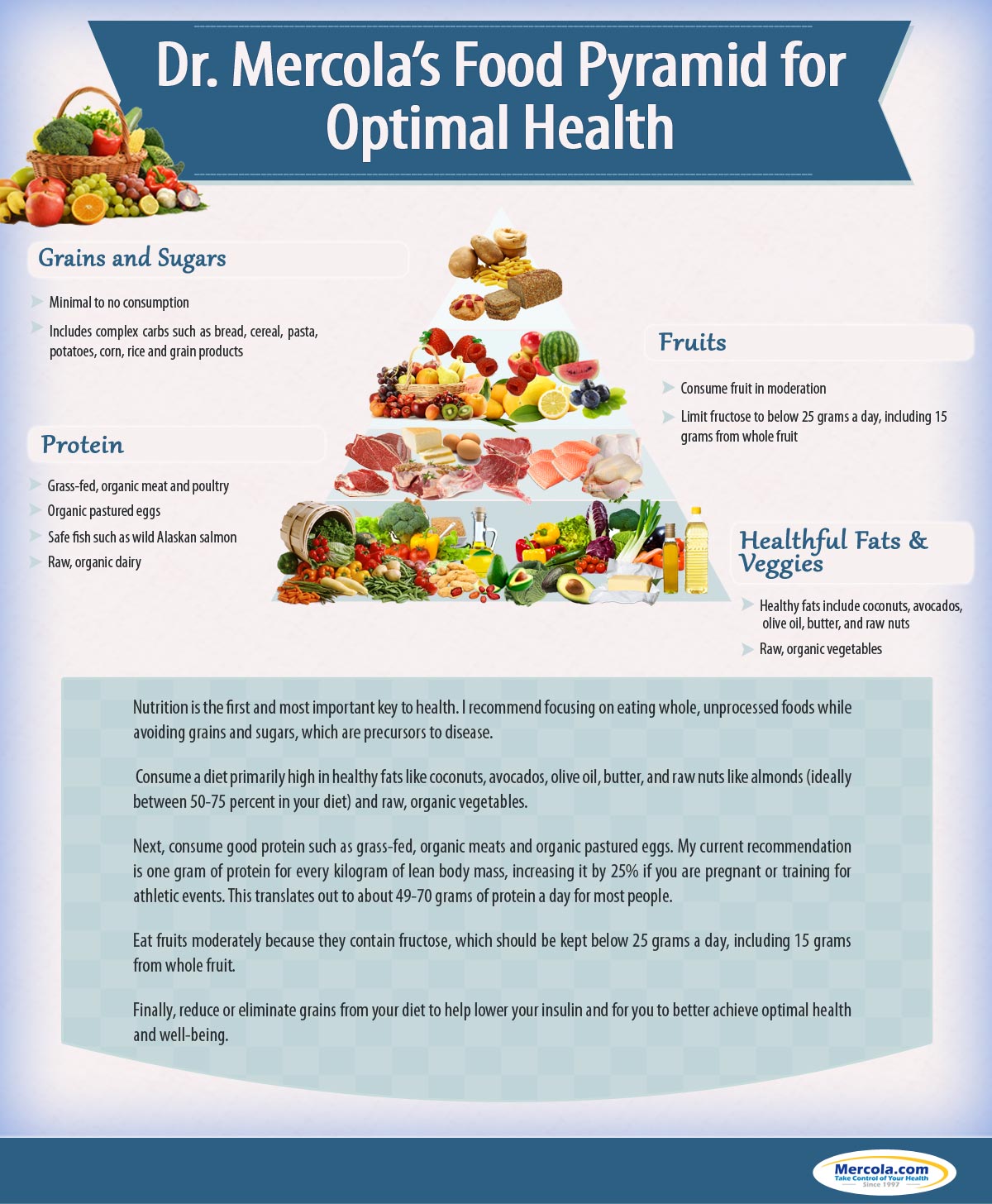
Another critical fat your body needs for optimal health is animal-based omega-3. Omega-3 deficiency can cause or contribute to very serious health problems, both mental and physical, and may be a significant underlying factor of up to 96,000 premature deaths each year. Again demonstrating the abject failure of government guidelines to promote health, the 2011 "food pyramid" (MyPlate) doesn't even mention omega-3. To remedy this gross "oversight," I've created my own Food Pyramid for Optimal Health, which you can print out and share with your friends and family.

As for omega-6 fats, it's important to understand that while you do need them, the most important factor is the ratio between omega-3 and omega-6. The ideal ratio is thought to be anywhere between 1:1 and 1:5, but the typical Western diet is between 1:20 and 1:50 in favor of omega-6, courtesy of an overabundance of industrially processed vegetable oils. As an oversimplification, omega-3s are anti-inflammatory, whereas omega-6s are pro-inflammatory. Hence, when omega-6 is consumed in excess, it can become problematic — and even more so if it's damaged through processing. I firmly believe that increasing your omega-3 and reducing industrialized omega-6 oils is a profoundly important and simple shift in diet that you need to address. For a more complete discussion of the differences between types of dietary fat, omega-3 versus omega-6, DHA, EPA, etc., please refer to our comprehensive fatty acids overview.

Preventing Heart Disease Is Within Your Control

The take home message here is that eating saturated fats like butter, coconut oil, and avocados will not increase your risk of heart disease. On the contrary, it is extremely important for optimal health, including your heart and cardiovascular health. What WILL dramatically raise your risk of heart disease and any number of other chronic health problems is refined carbohydrates, including sugar, fructose, and all unsprouted grains. Replacing saturated fats with trans fats and carbohydrates is precisely what has led to a literal "world of hurt" over the past several decades. Fortunately, reversing this trend is rather simple, but it will require you to buck a very stubborn status quo—albeit a status quo that is starting to crumble at the foundation, as more and more researchers are coming to the conclusion that we've had it all backwards. So, in summary, if you want to prevent heart disease:

  • DO eat unprocessed saturated animal fats. Many may benefit from increasing the healthful fat in their diet to 50-85 percent of daily calories
  • AVOID all sugars, including processed fructose and grains if you are insulin and leptin resistant. It doesn't matter if they are conventional or organic, as a high-sugar diet promotes insulin and leptin resistance, which is a primary driver of heart disease
  • DO exercise regularly, as physical activity along with a healthy diet of whole, preferably organic, foods may be just as potent—if not more potent—than cholesterol-lowering drugs
  • AVOID cholesterol-lowering drugs such as statins, as the side effects of these drugs are numerous while the benefits are debatable. In my view, the only group of people who may benefit from a statin drug are those with genetic familial hypercholesterolemia. This is a condition characterized by abnormally high cholesterol, which tend to be resistant to lifestyle strategies like diet and exercise

Vitamin D Deficiency Significantly Raises Your Risk of Cancer and All-Cause Mortality

By Dr. Mercola

There are many reasons to be conscious of vitamin D. A reduced cancer risk is perhaps among the most notable, but compelling evidence also suggests optimizing your vitamin D can reduce your risk of death from any cause.

Researchers have also pointed out that increasing levels of vitamin D3 among the general population could prevent chronic diseases that claim nearly one million lives throughout the world each year.

Despite its name, vitamin D is not technically a vitamin. It's actually a steroid hormone that you get primarily from either sun exposure or supplementation, and its ability to influence genetic expression is thought to produce many of its wide-ranging health benefits.

Health Areas Benefited by Vitamin D

Many books could be written about the health benefits of vitamin D—far more than can be covered here—but to summarize in broad strokes, optimizing your vitamin D levels can help protect against:

Cardiovascular disease. Vitamin D is very important for reducing hypertension, atherosclerotic heart disease, heart attack, and stroke.

According to longtime vitamin D researcher Dr. Michael Holick, research has shown that vitamin D deficiency can increase your risk of heart attack by 50 percent. If you have a heart attack and you're vitamin D deficient, your risk of dying from that heart attack is upwards of 100 percent.
Autoimmune diseases. Vitamin D is a potent immune modulator, making it very important for the prevention of autoimmune diseases, like multiple sclerosis1 (MS) and inflammatory bowel disease.
Lung disease. In those who are deficient, vitamin D supplementation may reduce flare-ups of chronic obstructive pulmonary disease (COPD) symptoms by more than 40 percent.2 Other research3 suggests vitamin D may protect against some of the adverse effects of smoking as well.
Infections, including influenza. Vitamin D also fights infections, including colds and the flu, as it regulates the expression of genes that influence your immune system to attack and destroy bacteria and viruses.

I believe it's far more prudent, safer, less expensive, and most importantly, far more effective to optimize your vitamin D levels than to get vaccinated against the flu.
DNA repair and metabolic processes. One of Dr. Holick's studies showed that healthy volunteers taking 2,000 IUs of vitamin D per day for a few months upregulated 291 different genes that control up to 80 different metabolic processes.

This included improving DNA repair; having a beneficial effect on autoxidation (oxidation that occurs in the presence of oxygen and /or UV radiation, which has implications for aging and cancer, for example); boosting the immune system; and many other biological processes.
Brain health (depression,4,5 dementia, and Alzheimer's disease). Vitamin D receptors appear in a wide variety of brain tissue, and activated vitamin D receptors increase nerve growth in your brain. Vitamin D is therefore important for optimal brain function, mental health, and for the prevention of degenerative brain disorders, including Alzheimer's disease.

According to one recent study6,7 seniors with low vitamin D levels may double their risk of dementia and Alzheimer's disease. Another study8,9,10 found that people with the highest average intakes of vitamin D had a  77 percent decreased risk for Alzheimer's.

Researchers believe that optimal vitamin D levels may enhance the amount of important chemicals in your brain and protect brain cells by increasing the effectiveness of the glial cells in nursing damaged neurons back to health.

Vitamin D may also exert some of its beneficial effects on your brain through its anti-inflammatory and immune-boosting properties.
Cancer. Vitamin D has a number of specific anticancer effects, including the promotion of cancer cell death, known as apoptosis, and the inhibition of angiogenesis (the growth of blood vessels that feed a tumor).

There are well over 800 references in the medical literature showing vitamin D's effectiveness against cancer. One recent meta-analysis11 concluded that vitamin D helps protect against bladder cancer. In all, having a high serum level of 25-hydroxyvitamin D was associated with a 25 percent reduction in relative risk of bladder cancer.

Similarly, a 2007 study published in the American Journal of Preventive Medicine12 concluded that a vitamin D level of more than 33 ng/mL was associated with a 50 percent lower risk of colorectal cancer.

Vitamin D for Breast Cancer

Breast cancer is the second leading cause of cancer death among American women,13 claiming the lives of nearly 40,000 women each year. While there are certainly many contributing factors, Carole Baggerly, founder of GrassrootsHealth, believes that ordinary breast cancer may in fact be related to (or certainly exacerbated by) vitamin D deficiency.

It can also make a big difference in cancer recovery. Most recently, a meta-analysis of five studies published in the March 2014 issue of Anticancer Research14 found that patients diagnosed with breast cancer who had high vitamin D levels were twice as likely to survive compared to women with low levels.15,16,17

The analysis included more than 4,500 breast cancer patients over a nine-year period. The high serum group had an average vitamin D level of 30 nanograms per milliliter (ng/ml), which really isn't all that high as optimal is likely over 50 ng/ml.

Women in the low serum group averaged 17 ng/ml, which is the average vitamin D level found in American breast cancer patients.18 The researchers urge physicians to make vitamin D monitoring and optimization part of standard breast cancer care, and recommend that breast cancer patients should restore their vitamin D levels to a normal range of 30-80 ng/ml.

According to the featured findings, you need at least 30 ng/ml of serum 25-hydroxyvitamin D (25(OH)D) to prevent cancer from spreading. That said, other research suggests you may be better off with levels as high as 80 ng/ml.

Low Vitamin D May Be an Independent Risk Factor for Death

A robust and rapidly growing body of research clearly shows that vitamin D is critical for good health and disease prevention, in part due to the fact that it influences about 10 percent of all your genes.

Most recently, researchers used a technique called Mendelian randomization to assess the impact of vitamin D deficiency on health and overall mortality, and the results are compelling.  As reported by the New York Times:19

"For the study,20 published in BMJ, researchers used data from Danish government health records on 95,766 subjects. All were tested for a genetic variant that reduces their vitamin D levels, and 35,334 also had their vitamin D serum levels measured...

By studying two large populations, of which one has the genetic variant for low vitamin D and the other does not, researchers were able to virtually eliminate the impact of confounding factors like other diseases, habits and behaviors that might be contributing to poor health. These traits would be evenly distributed in the populations studied, leaving only the genetic difference between them.

The scientists found that having the genes associated with lifelong low vitamin D increases the risk of cancer death by more than 40 percent and the risk of death from any cause by more than 30 percent. They found no effect on cardiovascular disease death. 'This study shows there may be a causal relationship' between vitamin D levels and death, said the lead author, Dr. Shoaib Afzal of Copenhagen University Hospital. But, he added, 'We can't recommend that you go out and buy supplements. We still need randomized trials for that.'"[Emphasis mine]

Contrary to Dr. Afzal's suggestion to hold off on the supplements, another recent report suggests children should be given free vitamin D supplements to address "a hidden epidemic of deficiency" that is driving disease statistics. The report21 was issued by the British National Institute for Health and Care Excellence (NICE). NICE also urges supermarkets to stock low-cost vitamin D supplements, and to promote them to high-risk groups, such as pregnant women, seniors, and people with darker complexion.

Sun Exposure Is the Ideal Way to Optimize Your Vitamin D Stores

I firmly believe that sensible sun exposure is the best way to optimize your vitamin D level. In fact, I personally have not taken a vitamin D supplement for over five years, yet my levels are in the 70 ng/ml range. If you can't get enough sunshine, then a tanning bed equipped with an electronic ballast (to avoid potentially harmful EMF fields) would be your next best option.

If your circumstances don't allow you to access the sun or a tanning bed, then taking a vitamin D supplement is certainly advisable. In this case, be sure to take vitamin D3—not synthetic D2—and take vitamin K2 and magnesium in conjunction with it. Vitamin D is fat soluble, so taking some form of healthy fat with it will also help optimize absorption. Vitamin A, zinc, and boron are other important cofactors that interact with vitamin D.

There are a number of important reasons for these recommendations. For starters, the biological role of vitamin K2 is to help move calcium into the proper areas in your body, and without sufficient amounts, calcium will build up in areas such as your arteries and soft tissues. This can cause calcification that can lead to hardening of your arteries—a side effect previously thought to be caused by vitamin D toxicity. We now know that inappropriate calcification is actually due more to lack of K2 than simply too much vitamin D.

Magnesium is also important, both for the proper function of calcium, and for the activity of vitamin D, as it converts vitamin D into its active form. Magnesium also activates enzyme activity that helps your body use the vitamin D. In fact, all enzymes that metabolize vitamin D require magnesium to work. As with vitamin D and K2, magnesium deficiency22 is very common, and if you're lacking in magnesium and take supplemental calcium, you may exacerbate the situation. Dietary sources of magnesium include sea vegetables, such as kelp, dulse, and nori. Vegetables can also be a good source. As for supplements, magnesium citrate and magnesium threonate are among the best.

How Much Vitamin D Is Required for Breast Cancer Prevention?

In 2011, a team of researchers led by Dr. Cedric F. Garland found that a vitamin D level of 50 ng/ml is associated with a 50 percent lower risk of breast cancer.23,24 At that time, they discovered that in order to achieve protective levels, you have to take far more supplemental vitamin D than previously thought.

To reach a minimum protective level of 40 ng/ml of vitamin D, study participants had to take anywhere from 1,000 IUs to as much as 8,000 IUs of vitamin D3 per day—a far cry from the recommended daily allowance of 600 IUs of vitamin D for adults. The supplemental dose ensuring that 97.5 percent of the study population achieved a serum 25(OH)D of at least 40 ng/mL was 9,600 IU/day. This study also concluded that intake of up to 40,000 IUs per day is unlikely to result in vitamin D toxicity.

GrassrootsHealth also has a helpful chart showing the average adult dose required to reach healthy vitamin D levels based upon your measured starting point. It's important to note, however, that it's virtually impossible to make a general recommendation on how much vitamin D to take as the amount needed can vary significantly from one individual to another. In essence, you need to regularly monitor your levels, and take whatever amount of vitamin D3 you need to maintain a clinically relevant level.

Finally, just in time for the new year, my team has come up with a helpful 2015 US vitamin D calendar. You can use it to track UVB levels by state throughout the year. Each month you can see how likely you are to obtain enough UVB rays based on where you live. The calendar is a $14.97 value but for a limited time, you can get it free with any order over $49.

vitamin d levels

Sources

Sunday, 21 December 2014

What You Need to Know About Grass-Fed Beef

By Dr. Mercola

Most of us benefit from high-quality animal protein. But what constitutes "high quality"? One key factor that has a tremendous bearing on the quality of the meat is whether or not the cattle was raised on pasture, opposed to a confined animal feeding operation (CAFO).

Joey Jones has been involved in the grass-fed beef market for over 17 years. He created the GrassfedNetwork.com—an online resource with ongoing monthly trainings for livestock producers, in which they learn how to improve the way they raise animals on grass.

While he grew up as a city kid, Joey got involved with ranching while attending college at Texas Tech University.

"In West Texas, I was doing that in a county that had the second largest feedlot. The smell of that was just horrendous as most of us have smelled... When the wind was blowing from that direction, it didn't matter what part of town you were in; the entire city could smell it.

That smell isn't a natural smell. I only know that now, from working with naturally raised animals that simply don't have those smells. Those smells are sick animals."

About 18 years ago, Joey and his wife started an organic co-op, which also offered grass-fed beef. The more involved he got, the more he realized that many of today's farmers have forgotten how to raise animals on grass only, which is what led him to create Grassfed Network.

Definition of Grass-Fed

There's a lot of confusion about the term "grass-fed," and in many cases, it's an abused term like the word "natural." Some producers of beef will misuse this term because the rules around it are still somewhat undefined. 

Most all calves are fed grass for a certain amount of time. This is one factor that allows less scrupulous producers to get away with calling their beef grass-fed. The key to a truly grass-fed product is actually the finishing. Optimal beef is both grass-fed and grass-finished beef.

"The only way to know any product that you're buying, whether it's produce or meat, is really to know the source of that product, and know their practices,"

Joey says. "It is true that all animals are fed grass at some point unless they're dairy animals; there are actually dairy animals that never see a blade of grass...

But almost all beef animals are going to be on grass at some point in their life. It definitely is the grass-finished product that you're after. And they're difference is big." 

Joey recounts one test he performed with one of his clients, who had a herd of animals raised on grass. The animals were finished for two different grass-fed meat buying organizations.

One of the organizations accepted dried distillers grains with solubles (DDGs) as a supplement. DDGs are the corn that has been processed in a refining process that removes the starch, leaving only the dry matter from the corn.

Since there's no starch, it technically qualifies as a grass-fed feeding supplement. The other did not accept DDGs. So one group of the animals got about two pounds of DDG a day, whereas the other group only got grass forage.

"When we processed those animals and sold them, we took a meat sample from both groups," Joey says. "In that three-month period... [the DDG-fed] group had no health benefits left whatsoever in the meat. The group that didn't get those DDGs still had all the health benefits that we expect from a grass-finished product."

Some of the benefits of grass-fed and grass-finished beef include higher levels of conjugated linoleic acid (CLA) and other healthy fats. As Joey notes, "Many times the health benefits reside in the fat more than the meat itself and the muscle tissue."

It also has a more balanced ratio of omega-3 to omega-6. Modern food, in which processed foods and vegetable oils dominate, has led to a dramatic increase in omega-6 over omega-3.

Compared to a century ago, we now have 100,000 times higher intake of omega-6, which does not bode well from a health perspective. Substituting processed vegetable oils with healthy animal fat is a good approach that will help optimize your health.

Most Grass-Fed Beef Sold in the US Is Imported...

Surprisingly, most of the grass-fed beef sold in the US is actually imported from Australia and New Zealand1 Some grass-fed beef is also sourced from countries like Mexico, Nicaragua, Brazil, and Uruguay.2

Joey believes the primary reason for the import of grass-fed beef is that it’s cheaper to grass finish in those countries than to finish on grain. The beef market in the US is for grain finished animals predominately, so there are very few grass-fed producers compared to conventional producers in the US. 

When the demand for grass-fed is realized by the beef industry, the numbers of producers will increase and the demand can most certainly be met by US producers. In Australia, 70 percent of all Australian cattle are pasture-raised and finished, and many of the grass-fed cattle operations are indeed massive. Such is not the case in the US at the moment.

"There are not a lot of large-scale producers of grass-fed beef [in the US] though there are some," Joey says. "I think people will probably misunderstand what large-scale is. Most producers are going to have 100 or less head of animals.

They're only slaughtering one or two animals a month and so on, and direct it to the farmer's market or something like that... But some of these operations do much, much more – 30 heads a month or 3,000 head a year...

Their primary difference is going to be in the last 90 to 120 day of life. Beef animals for the most part are going to be raised on grass. Although in a commercial operation, calves start getting supplemented with grain as soon as they get separated off from their mothers.

There's grain introduced very early on in the animal's life. Although they're out on grass, they're getting supplemented to a large degree by grain, whereas a grass-fed animal – a true grass-fed animal – is only going to have grass or forages throughout their life. Any growing plant is a forage for livestock."

According to Joey, the grass-fed market only makes up about three percent of the US beef ranchers. Fortunately, that number is growing. Overall, grass-fed beef sales have been increasing by about 20 percent a year for the last six years. It's the only growing segment of the beef industry as a whole.

How to Evaluate Grass-Fed Beef Sold at Your Local Grocer

For those of you who do not live near grass-fed producers, one option is to look for grass-fed beef in your local grocery store. Publix, for example, sells USDA organic, grass-fed beef. Joey recommends looking for the country of origin on the label.

"The first thing to do is make sure that it's a US-based product. That's the first step," he says. "It's impossible to know your producer if you're producer is from Uruguay or Australia. And we have no control over how that product is raised in Uruguay and Australia. Their standards are going to be different from ours, and there's simply no way to have an oversight on that.

Once you've established that it's a US-based product, you can find out who the supplier is... There are a number of larger-scale sellers of grass-fed product that are buying from these smaller producers... [C]all in and find out what their standards are and what their protocol is. All of them have different standards for their producers. You want to know what they're allowing and what they're not allowing."

Joey also suggests thinking of grass-fed beef as a seasonal product, just like produce. While this might not be a very popular idea, it has some merit. All foods have a season in which it grows, followed by harvesting and consumption. You could buy it fresh, in season, and then freeze it of course. According to Joey, a steak or ground beef will stay fresh for up to a year if properly vacuum sealed and frozen.

Organic versus Grass-Fed and Finished Beef

It's important to recognize that while the USDA 100% Organic label is good, it's not necessarily a guarantee that the meat has been grass-fed and finished. In fact, the organic label is costly for ranchers, and many actually raise their cattle in ways that provide superior beef compared to beef bearing the organic label. In my mind, a truly grass-fed, grass-finished product is superior to organic.

One argument some ranchers will give is that they have to feed their animals grains because there's no grass growing in the winter. While that may be true in some areas, there are many parts of the US where year-round pasturing is possible. Gabe Brown, whom I interviewed, is even doing it in North Dakota, so if there's a will, there's usually a way.

"It is certainly possible, in many years, to get away with not feeding any hay by extending that grazing season, either by having pastures that are more native, or supplementing pasture with cover crops that will not only provide a grazing medium but also are going to help build soil and organic matter," Joey says. "The term 'organic' simply means that what it's been fed qualifies under the organic label. That can include grains and a number of other things. It doesn't necessarily mean that you're getting the health benefits of the grass-finished product.

 As I mentioned earlier, even a minute amount of grain, even though the starch is removed, eliminates the health benefits of the product. Grass-finished is much more important than organic... I also think local is important. We're getting more and more global, and we need to draw back in a little bit and support our local economy. We do that by buying from local people as much as possible. Farmer's markets are great place to find the product. You can obviously talk with producers there, whether it's produce, beef, lamb, or whatever the case may be. I think that's a great start for helping to support our overall economy."

Getting to Know Your Farmer Is the Best Way to Ensure High-Quality Food

To make sure you're getting the highest quality possible, your best bet is to get to know your local farmer or rancher—what his philosophy is and how he raises his herd. If at all possible, visit the farm to see the operation for yourself. Is it a clean and well-run farm? (Granted, you need to understand that "clean" does not mean sterile, when it comes to a farm environment.) Questions to ask include:

Do you give the animals hormones?
Are antibiotics used, and if so, when and why?
Are the animals confined in a yard or are they fed hay at any point during their growth? And if so, for how long?
Are the animals finished on hay or on pasture?
What is the pasture mix made of? Regional, native grasses, or coastal hay?
At what age is the animal finished? An ideal target for optimal fat content and taste is around 20-24-months, although some producers will go as long as 30 months, which is also fine.

When it comes to taste, several factors come into play, including genetics of the animal, the feed, and any vitamin and mineral supplements it may have been given. Typically, British cattle breeds such as Angus, Hereford, and British White, tend to be favored. Contrary to the CAFO model, smaller animals, also referred to as "heritage-sized" animals, tend to render higher-quality meat. "You're looking for a shorter and wider animal, instead of a tall and leggy animal," Joey says.

Resources for Farmers and Consumers Alike

The Grassfed Network is a resource for farmers who want to learn more about transitioning to raising their animals on grass. The names of these farmers are not released on the website, but there are a number of other organizations that can help you locate grass-fed beef and other organic produce, including the following:

Eat Wild: With more than 1,400 pasture-based farms, Eat Wild's Directory of Farms is one of the most comprehensive sources for grass-fed meat and dairy products in the United States and Canada.Local Harvest -- This Web site will help you find farmers' markets, family farms, and other sources of sustainably grown food in your area where you can buy produce, grass-fed meats, and many other goodies.Eat Well Guide: Wholesome Food from Healthy Animals -- The Eat Well Guide is a free online directory of sustainably raised meat, poultry, dairy, and eggs from farms, stores, restaurants, inns, and hotels, and online outlets in the United States and Canada.
Grassfed ExchangeFoodRoutes -- The FoodRoutes "Find Good Food" map can help you connect with local farmers to find the freshest, tastiest food possible. On their interactive map, you can find a listing for local farmers, CSAs, and markets near you.Farmers' Markets -- A national listing of farmers' markets.