Monday, 27 October 2014

15 Best Fall Superfoods

By Dr. Mercola

There are many good reasons to choose your foods seasonally, and contrary to popular belief, there are many foods in-season during the fall.

Seasonal foods will taste fresher and their nutrition will be at its peak level, as opposed to foods picked prior to ripeness, which are then chilled and put into storage for days or weeks. As they sit, both their flavor and nutrient levels diminish.

Meanwhile, in-season foods will typically be available in abundance, which means prices tend to go down, making seasonal eating easier on your wallet. It’s good for the environment, too, because in-season foods are often locally grown and available from farmer’s markets or other direct-to-you venues (like community-supported agriculture programs).

And in the grand scheme of living, eating seasonally allows you to be a part of the natural ebb and flow of nature. According to the ancient science of Ayurveda, for instance, seasonal eating helps with digestion, because it favors easier-to-digest foods in the winter when your body is hard at work burning energy to keep you warm (and therefore theoretically has less energy to devote to digestion).

If you eat seasonally year-round, it will even automatically create a varied diet that provides your body with a diverse palate of nutrients to keep you going strong. Still, just because a food is in-season doesn’t make it healthy, which is why I’ve featured 15 of the best in-season foods for fall.1

15 Top Fall Superfoods

1. Brussels Sprouts

Brussels sprouts contain sulfur-containing compounds called glucosinolates, which your body uses to make isothiocyanates. These activate cancer-fighting enzyme systems in your body. Brussels sprouts have been linked to the prevention of a number of cancers, including colon cancer,2 ovarian cancer,3 and others.

One study even found that compounds in Brussels sprouts may trigger pre-cancerous cells to commit suicide, which suggests adding more of this superfood to your diet could be a powerful anti-cancer strategy.4

Brussels sprouts also have potent antioxidant and anti-inflammatory properties, useful for fighting both chronic oxidative stress and inflammation.

They help to support your body’s natural detoxification system and are an excellent source of vitamins K and C, and good source of fiber, manganese, potassium, choline, and B vitamins. Brussels sprouts are in season from September to March.

2. Apples

Compared to other commonly consumed fruits in the US, apples ranked second for highest antioxidant activity. However, they ranked highest for the proportion of free phenolic compounds, which means they are not bound to other compounds in the fruit and therefore may be more easily absorbed into your bloodstream.5

Notably, much of apples’ antioxidant power is contained in the peel, where you’ll find antioxidants like catechin, procyanidins, chlorogenic acid, ploridizin, and more. Eating apples has been linked to a lower risk of chronic diseases including type 2 diabetes, cancer, heart disease, and dementia.

It’s best to eat apples in their whole form, as this will give you the synergistic blend of nutrients and fiber the way nature intended, yielding greater health benefits than apple juice. Apples are in season from August to November.

Also, four in five of us are insulin resistant and you now are if you are overweight, diabetic, have high pressure, or taking a statin drug. If you have insulin resistance, then it is best to limit apples to one small one a day or even avoid them until you resolve your insulin resistance.

3. Cauliflower

Cauliflower contains sulforaphane, a sulfur compound that has also been shown to kill cancer stem cells, thereby slowing tumor growth. Some researchers believe eliminating cancer stem cells may be key to controlling cancer.

For instance, research has shown that combining cauliflower with curcumin (the active compound in the spice turmeric) may help prevent and treat prostate cancer.6

Cauliflower is also anti-inflammatory and antioxidant-rich, and may boost both your heart and brain health. Eating cauliflower will provide your body with impressive amounts of vitamin C, vitamin K, beta-carotene, and much more while supporting healthy digestion and detoxification. Cauliflower is in season from September to June.

4. Sweet Potatoes

Orange-colored sweet potatoes owe their appearance to the carotenoid beta-carotene. As an antioxidant, beta-carotene can help ward off free radicals that damage cells through oxidation, which can speed up aging and make you vulnerable against chronic diseases.

This antioxidant can help support your immune system, as well as lower your risk of heart disease and cancer. Research shows that sweet potatoes can help regulate blood sugar because of their ability to raise blood levels of adiponectin, a protein hormone created by your fat cells, to help regulate how your body metabolizes insulin.

Sweet potato extract is said to help reduce inflammation in brain and nerve tissue throughout your body. The phytonutrients within sweet potatoes also influence fibrinogen, an important glycoprotein required for blood clotting.

Together with thrombin and fibrin, balanced amounts of fibrinogen are important for wound healing and blood loss prevention. Sweet potatoes are in season from September to December.

5. Pomegranates

The primary source of pomegranate's benefits come from its antioxidant content, particularly ellagitannin compounds like punicalagins and punicalins, which account for about half of the pomegranate's antioxidant ability. It's also an excellent source of the antioxidant vitamin C, with one pomegranate providing about 40 percent of the daily requirement for this vitamin.7

In fact, according to a 2008 study, which compared the potency of 10 different polyphenol-rich beverages, pomegranate juice scored top billing as the healthiest of them all.8 Pomegranates contain three types of antioxidant polyphenols, including tannins, anthocyanins, and ellagic acid, in significant amounts.

Pomegranate's antioxidant activity is known to inhibit cell proliferation and invasion, and promote apoptosis (cell death) in various cancer cells.9 The antioxidants in pomegranates may also help to reduce inflammation that contributes to the destruction of cartilage in your joints, a key reason for the pain and stiffness felt by many osteoarthritis sufferers.

One study even found that pomegranate extract blocked the production of a cartilage-destroying enzyme.10 Many people enjoy pomegranates alone as a snack, but you can also sprinkle the arils (the juice-filled seed sacs) over salads or cooked dishes. Inside each aril is a crunchy fiber-rich seed. While some people spit them out, you can eat them whole, seed and all. Pomegranates are in season from August to December. So how do you get out the arils? The POM Council recommends this simple three-step process:11

  1. Cut off the crown, then cut the pomegranate into sections
  2. Place the section in a bowl of water, then roll out the arils with your fingers (discard everything else)
  3. Strain out the water, then enjoy the arils whole, seeds and all

6. Turnips

Turnips contain a type of phytonutrient known as indoles, which may help fight cancer. One type in particular, brassinin, has been shown to kill human colon cancer cells.12 Turnips are also rich in fiber. Just 100 calories’ worth of turnips can give you 25-40 percent of your daily fiber requirement. While turnip root is rich in nutrients and antioxidants, it is a starchy vegetable and therefore should only be eaten in moderation. The greens, on the other hand, can be eaten in generous quantities (although admittedly they are quite bitter).

Turnip greens are an excellent source of vitamin C, vitamin E, beta-carotene, and manganese, but it’s their vitamin K content that really stands out. One cup of turnip greens will give you nearly 600% of your recommended daily value of the nutrient. Vitamin K is a powerful regulator of your inflammatory response, and along with the anti-inflammatory plant-based omega-3s found in turnip greens (in the form of alpha linolenic acid, or ALA), make this vegetable an inflammation-fighting powerhouse. Turnips are in season from September to April.

7. Rutabagas

Rutabaga, a cross between a turnip and a cabbage, are rich in fiber and vitamin C (one cup contains 53% of the daily recommended value). Rutabagas are also members of the cruciferous family of vegetables, which are rich in antioxidants and anti-cancer phytonutrients. Rutabagas are also an excellent source of potassium, manganese, B vitamins, magnesium, and phosphorus.

Rutabagas are also a good source of zinc, which is essential for immune support and may help protect your body from the effects of stress. As a mild-tasting root vegetable, rutabagas work well roasted or baked, and can serve as a nutrient-rich substitute for potatoes. They can also be eaten raw along with a dip, such as hummus. Rutabagas are in season from October to April.

8. Winter Squash

Winter squash contains an impressive amount of vitamin K1 (not K2) – 457 percent of the daily value per serving. Vitamin A, a powerful antioxidant, is beneficial for your skin, vision, and mucous membranes and may protect against certain types of cancer. Squash is also rich in vitamin C, vitamin E, B vitamins, calcium, and magnesium. It even contains a respectable amount of plant-based omega-3 fats. Because winter squash has such a thick skin, it can be stored for months. Try it paired with healthy spices like cinnamon and ginger. Winter squash is in season from October to February.

9. Pumpkin

Pumpkin is a type of winter squash but deserves special mention. It is an excellent source of carotenoids, including beta-carotene (which converts into vitamin A in your body). Pumpkin is also rich in fiber, with three grams in a one-cup serving, and you can consume the seeds, too, for additional benefits (like immune system and prostate support). Other notable nutrients in pumpkin include vitamin C, potassium, riboflavin, copper, and manganese, along with vitamin E, B vitamins, folate, iron, and phosphorus. Taken together, pumpkin provides a powerful blend of nutrients that work together to synergistically benefit your health. As reported in Nutrition Research Reviews:13

“Pumpkin is one of the well-known edible plants and has substantial medicinal properties due to the presence of unique natural edible substances. It contains several phyto-constituents belonging to the categories of alkaloids, flavonoids, and palmitic, oleic and linoleic acids. Various important medicinal properties including anti-diabetic, antioxidant, anti-carcinogenic, anti-inflammatory and others have been well documented.”

When using pumpkin in your cooking, you needn’t resort to canned. Simply wash the pumpkin’s exterior, scoop out the seeds and pulp, and roast it, whole, in a 350°F oven for one to two hours, until tender. You can also cut it in half and place it, cut side down, on a baking sheet in a 350°F oven for one to two hours. Then, simply scrape out the tender flesh and discard the rind.14 Pumpkin is in season from October to February.

10. Parsnips

These root vegetables resemble carrots but are whitish in color and have a sweet, nutty flavor. Parsnips are rich in nutrients like fiber, folate, potassium, and vitamin C. Eating foods rich in potassium is important because this nutrient helps offset the hypertensive effects of sodium. An imbalance in your sodium-potassium ratio can lead to high blood pressure and may also contribute to a number of other diseases, including heart disease and stroke. Parsnips are in season from October to April.

11. Pears

Pears are rich in vitamin C and copper, and are on of the highest-fiber fruits (one medium pear contains about 5.5 grams of fiber). Fiber plays an essential role in your digestive, heart, and skin health, and may improve blood sugar control, weight management, and more. People who ate a diet high in white-fleshed fruits like pears or apples also had a 52 percent lower risk of stroke, according to an American Heart Association study,15 likely due to their fiber and phytochemical contents. Pears are in season from August to February.

Also, four in five of us are insulin resistant and you now are if you are overweight, diabetic, have high pressure, or taking a statin drug. If you have insulin resistance, then it is best to limit pears to one small one a day or even avoid them until you resolve your insulin resistance.

12. Kiwi

Rich in phytonutrients that appear to protect human DNA from free-radical damage, kiwi is also an excellent source of antioxidant vitamins C and E, and beta-carotene. Kiwi is also a good source of fiber, potassium, magnesium, copper, and phosphorus. One cup of kiwi contains 273% of the daily recommended amount of vitamin C, which is five times that of an orange. Kiwi is in season from September to March.

13. Grapefruit

Grapefruits are an excellent source of vitamin C and also contain pantothenic acid, copper, vitamin A, fiber, potassium, biotin, and vitamin B1. Grapefruit is also a good source of the dietary fiber pectin and the carotenoid phytonutrient lycopene. Lycopene's antioxidant activity has long been suggested to be more powerful than other carotenoids such as beta-carotene.

Research has even revealed it may significantly reduce your stroke risk (while other antioxidants did not). Lycopene has also been shown to have potential anti-cancer activity, likely due to its antioxidant properties. Studies have shown that people with a diet high in lycopene have a lower risk of certain cancers, particularly prostate cancer. Grapefruit is in season from September to April.

14. Tangerines

Tangerines are rich in antioxidant flavonoids, vitamin C, vitamin A, folate, and potassium. They also contain the healthy fiber pectin and, if you eat the white tissue between the segments, even more soluble fiber that may offer protection to your heart. Notably, nobiletin, a citrus flavonoid isolated from tangerines, appears to prevent atherosclerosis16 and may also help prevent the buildup of fat in your liver.

15. Dates

Dates are a rich source of fiber and potassium, along with B vitamins, vitamins A and K, copper, magnesium, and manganese. There are also at least 15 minerals in dates, including selenium, along with protein, 23 types of amino acids and unsaturated fatty acids including palmitoleic, oleic, linoleic, and linolenic acids. One study even concluded, “In many ways, dates may be considered as an almost ideal food, providing a wide range of essential nutrients and potential health benefits.”17

Dates are in season from September to December. One caveat: dates should be eaten only in very limited amounts because they are high in fructose. One medium date (Deglet Noor style) contains 2.6 grams of fructose. My recommendation is to keep your total fructose intake below 25 grams of fructose per day, if you're in good health, and below 15 grams a day, including that from fruit, if you struggle with insulin resistance.

Also, four in five of us are insulin resistant and you now are if you are overweight, diabetic, have high pressure, or taking a statin drug. If you have insulin resistance, then it is best to limit dates to only a few a day as they are very high in fructose or better yet even avoid them until you resolve your insulin resistance.

Where to Find Locally Grown, Seasonal Foods

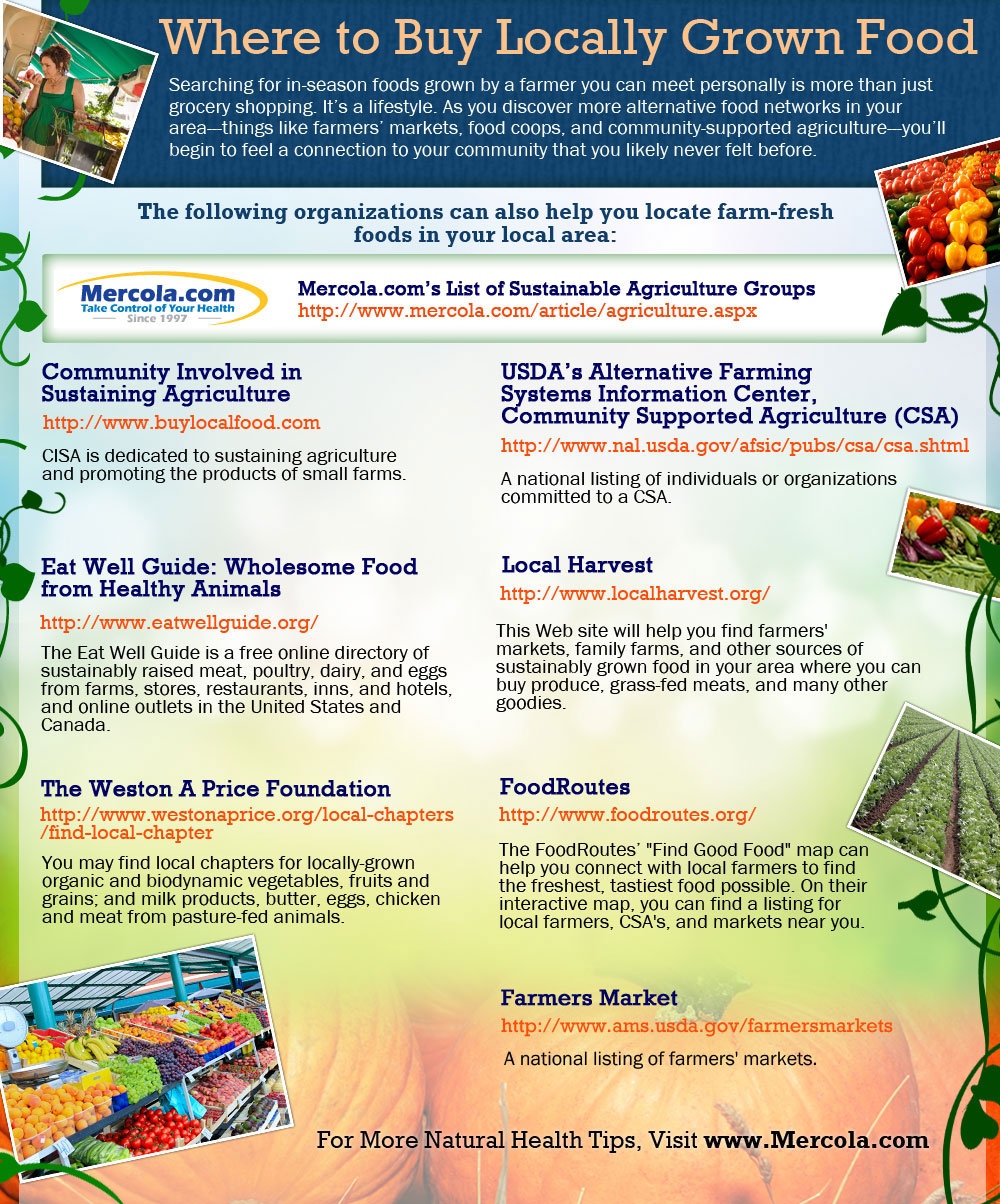
The following organizations can help you locate farm-fresh seasonal foods in your local area, raised in a humane, sustainable manner. If you want to get the freshest seasonal produce possible, you can also try your hand at growing it yourself by planting a winter garden.
15 Best Fall Superfoods

By Dr. Mercola

There are many good reasons to choose your foods seasonally, and contrary to popular belief, there are many foods in-season during the fall.

Seasonal foods will taste fresher and their nutrition will be at its peak level, as opposed to foods picked prior to ripeness, which are then chilled and put into storage for days or weeks. As they sit, both their flavor and nutrient levels diminish.

Meanwhile, in-season foods will typically be available in abundance, which means prices tend to go down, making seasonal eating easier on your wallet. It’s good for the environment, too, because in-season foods are often locally grown and available from farmer’s markets or other direct-to-you venues (like community-supported agriculture programs).

And in the grand scheme of living, eating seasonally allows you to be a part of the natural ebb and flow of nature. According to the ancient science of Ayurveda, for instance, seasonal eating helps with digestion, because it favors easier-to-digest foods in the winter when your body is hard at work burning energy to keep you warm (and therefore theoretically has less energy to devote to digestion).

If you eat seasonally year-round, it will even automatically create a varied diet that provides your body with a diverse palate of nutrients to keep you going strong. Still, just because a food is in-season doesn’t make it healthy, which is why I’ve featured 15 of the best in-season foods for fall.1

15 Top Fall Superfoods

1. Brussels Sprouts

Brussels sprouts contain sulfur-containing compounds called glucosinolates, which your body uses to make isothiocyanates. These activate cancer-fighting enzyme systems in your body. Brussels sprouts have been linked to the prevention of a number of cancers, including colon cancer,2 ovarian cancer,3 and others.

One study even found that compounds in Brussels sprouts may trigger pre-cancerous cells to commit suicide, which suggests adding more of this superfood to your diet could be a powerful anti-cancer strategy.4

Brussels sprouts also have potent antioxidant and anti-inflammatory properties, useful for fighting both chronic oxidative stress and inflammation.

They help to support your body’s natural detoxification system and are an excellent source of vitamins K and C, and good source of fiber, manganese, potassium, choline, and B vitamins. Brussels sprouts are in season from September to March.

2. Apples

Compared to other commonly consumed fruits in the US, apples ranked second for highest antioxidant activity. However, they ranked highest for the proportion of free phenolic compounds, which means they are not bound to other compounds in the fruit and therefore may be more easily absorbed into your bloodstream.5

Notably, much of apples’ antioxidant power is contained in the peel, where you’ll find antioxidants like catechin, procyanidins, chlorogenic acid, ploridizin, and more. Eating apples has been linked to a lower risk of chronic diseases including type 2 diabetes, cancer, heart disease, and dementia.

It’s best to eat apples in their whole form, as this will give you the synergistic blend of nutrients and fiber the way nature intended, yielding greater health benefits than apple juice. Apples are in season from August to November.

Also, four in five of us are insulin resistant and you now are if you are overweight, diabetic, have high pressure, or taking a statin drug. If you have insulin resistance, then it is best to limit apples to one small one a day or even avoid them until you resolve your insulin resistance.

3. Cauliflower

Cauliflower contains sulforaphane, a sulfur compound that has also been shown to kill cancer stem cells, thereby slowing tumor growth. Some researchers believe eliminating cancer stem cells may be key to controlling cancer.

For instance, research has shown that combining cauliflower with curcumin (the active compound in the spice turmeric) may help prevent and treat prostate cancer.6

Cauliflower is also anti-inflammatory and antioxidant-rich, and may boost both your heart and brain health. Eating cauliflower will provide your body with impressive amounts of vitamin C, vitamin K, beta-carotene, and much more while supporting healthy digestion and detoxification. Cauliflower is in season from September to June.

4. Sweet Potatoes

Orange-colored sweet potatoes owe their appearance to the carotenoid beta-carotene. As an antioxidant, beta-carotene can help ward off free radicals that damage cells through oxidation, which can speed up aging and make you vulnerable against chronic diseases.

This antioxidant can help support your immune system, as well as lower your risk of heart disease and cancer. Research shows that sweet potatoes can help regulate blood sugar because of their ability to raise blood levels of adiponectin, a protein hormone created by your fat cells, to help regulate how your body metabolizes insulin.

Sweet potato extract is said to help reduce inflammation in brain and nerve tissue throughout your body. The phytonutrients within sweet potatoes also influence fibrinogen, an important glycoprotein required for blood clotting.

Together with thrombin and fibrin, balanced amounts of fibrinogen are important for wound healing and blood loss prevention. Sweet potatoes are in season from September to December.

5. Pomegranates

The primary source of pomegranate's benefits come from its antioxidant content, particularly ellagitannin compounds like punicalagins and punicalins, which account for about half of the pomegranate's antioxidant ability. It's also an excellent source of the antioxidant vitamin C, with one pomegranate providing about 40 percent of the daily requirement for this vitamin.7

In fact, according to a 2008 study, which compared the potency of 10 different polyphenol-rich beverages, pomegranate juice scored top billing as the healthiest of them all.8 Pomegranates contain three types of antioxidant polyphenols, including tannins, anthocyanins, and ellagic acid, in significant amounts.

Pomegranate's antioxidant activity is known to inhibit cell proliferation and invasion, and promote apoptosis (cell death) in various cancer cells.9 The antioxidants in pomegranates may also help to reduce inflammation that contributes to the destruction of cartilage in your joints, a key reason for the pain and stiffness felt by many osteoarthritis sufferers.

One study even found that pomegranate extract blocked the production of a cartilage-destroying enzyme.10 Many people enjoy pomegranates alone as a snack, but you can also sprinkle the arils (the juice-filled seed sacs) over salads or cooked dishes. Inside each aril is a crunchy fiber-rich seed. While some people spit them out, you can eat them whole, seed and all. Pomegranates are in season from August to December. So how do you get out the arils? The POM Council recommends this simple three-step process:11

  1. Cut off the crown, then cut the pomegranate into sections
  2. Place the section in a bowl of water, then roll out the arils with your fingers (discard everything else)
  3. Strain out the water, then enjoy the arils whole, seeds and all

6. Turnips

Turnips contain a type of phytonutrient known as indoles, which may help fight cancer. One type in particular, brassinin, has been shown to kill human colon cancer cells.12 Turnips are also rich in fiber. Just 100 calories’ worth of turnips can give you 25-40 percent of your daily fiber requirement. While turnip root is rich in nutrients and antioxidants, it is a starchy vegetable and therefore should only be eaten in moderation. The greens, on the other hand, can be eaten in generous quantities (although admittedly they are quite bitter).

Turnip greens are an excellent source of vitamin C, vitamin E, beta-carotene, and manganese, but it’s their vitamin K content that really stands out. One cup of turnip greens will give you nearly 600% of your recommended daily value of the nutrient. Vitamin K is a powerful regulator of your inflammatory response, and along with the anti-inflammatory plant-based omega-3s found in turnip greens (in the form of alpha linolenic acid, or ALA), make this vegetable an inflammation-fighting powerhouse. Turnips are in season from September to April.

7. Rutabagas

Rutabaga, a cross between a turnip and a cabbage, are rich in fiber and vitamin C (one cup contains 53% of the daily recommended value). Rutabagas are also members of the cruciferous family of vegetables, which are rich in antioxidants and anti-cancer phytonutrients. Rutabagas are also an excellent source of potassium, manganese, B vitamins, magnesium, and phosphorus.

Rutabagas are also a good source of zinc, which is essential for immune support and may help protect your body from the effects of stress. As a mild-tasting root vegetable, rutabagas work well roasted or baked, and can serve as a nutrient-rich substitute for potatoes. They can also be eaten raw along with a dip, such as hummus. Rutabagas are in season from October to April.

8. Winter Squash

Winter squash contains an impressive amount of vitamin K1 (not K2) – 457 percent of the daily value per serving. Vitamin A, a powerful antioxidant, is beneficial for your skin, vision, and mucous membranes and may protect against certain types of cancer. Squash is also rich in vitamin C, vitamin E, B vitamins, calcium, and magnesium. It even contains a respectable amount of plant-based omega-3 fats. Because winter squash has such a thick skin, it can be stored for months. Try it paired with healthy spices like cinnamon and ginger. Winter squash is in season from October to February.

9. Pumpkin

Pumpkin is a type of winter squash but deserves special mention. It is an excellent source of carotenoids, including beta-carotene (which converts into vitamin A in your body). Pumpkin is also rich in fiber, with three grams in a one-cup serving, and you can consume the seeds, too, for additional benefits (like immune system and prostate support). Other notable nutrients in pumpkin include vitamin C, potassium, riboflavin, copper, and manganese, along with vitamin E, B vitamins, folate, iron, and phosphorus. Taken together, pumpkin provides a powerful blend of nutrients that work together to synergistically benefit your health. As reported in Nutrition Research Reviews:13

“Pumpkin is one of the well-known edible plants and has substantial medicinal properties due to the presence of unique natural edible substances. It contains several phyto-constituents belonging to the categories of alkaloids, flavonoids, and palmitic, oleic and linoleic acids. Various important medicinal properties including anti-diabetic, antioxidant, anti-carcinogenic, anti-inflammatory and others have been well documented.”

When using pumpkin in your cooking, you needn’t resort to canned. Simply wash the pumpkin’s exterior, scoop out the seeds and pulp, and roast it, whole, in a 350°F oven for one to two hours, until tender. You can also cut it in half and place it, cut side down, on a baking sheet in a 350°F oven for one to two hours. Then, simply scrape out the tender flesh and discard the rind.14 Pumpkin is in season from October to February.

10. Parsnips

These root vegetables resemble carrots but are whitish in color and have a sweet, nutty flavor. Parsnips are rich in nutrients like fiber, folate, potassium, and vitamin C. Eating foods rich in potassium is important because this nutrient helps offset the hypertensive effects of sodium. An imbalance in your sodium-potassium ratio can lead to high blood pressure and may also contribute to a number of other diseases, including heart disease and stroke. Parsnips are in season from October to April.

11. Pears

Pears are rich in vitamin C and copper, and are on of the highest-fiber fruits (one medium pear contains about 5.5 grams of fiber). Fiber plays an essential role in your digestive, heart, and skin health, and may improve blood sugar control, weight management, and more. People who ate a diet high in white-fleshed fruits like pears or apples also had a 52 percent lower risk of stroke, according to an American Heart Association study,15 likely due to their fiber and phytochemical contents. Pears are in season from August to February.

Also, four in five of us are insulin resistant and you now are if you are overweight, diabetic, have high pressure, or taking a statin drug. If you have insulin resistance, then it is best to limit pears to one small one a day or even avoid them until you resolve your insulin resistance.

12. Kiwi

Rich in phytonutrients that appear to protect human DNA from free-radical damage, kiwi is also an excellent source of antioxidant vitamins C and E, and beta-carotene. Kiwi is also a good source of fiber, potassium, magnesium, copper, and phosphorus. One cup of kiwi contains 273% of the daily recommended amount of vitamin C, which is five times that of an orange. Kiwi is in season from September to March.

13. Grapefruit

Grapefruits are an excellent source of vitamin C and also contain pantothenic acid, copper, vitamin A, fiber, potassium, biotin, and vitamin B1. Grapefruit is also a good source of the dietary fiber pectin and the carotenoid phytonutrient lycopene. Lycopene's antioxidant activity has long been suggested to be more powerful than other carotenoids such as beta-carotene.

Research has even revealed it may significantly reduce your stroke risk (while other antioxidants did not). Lycopene has also been shown to have potential anti-cancer activity, likely due to its antioxidant properties. Studies have shown that people with a diet high in lycopene have a lower risk of certain cancers, particularly prostate cancer. Grapefruit is in season from September to April.

14. Tangerines

Tangerines are rich in antioxidant flavonoids, vitamin C, vitamin A, folate, and potassium. They also contain the healthy fiber pectin and, if you eat the white tissue between the segments, even more soluble fiber that may offer protection to your heart. Notably, nobiletin, a citrus flavonoid isolated from tangerines, appears to prevent atherosclerosis16 and may also help prevent the buildup of fat in your liver.

15. Dates

Dates are a rich source of fiber and potassium, along with B vitamins, vitamins A and K, copper, magnesium, and manganese. There are also at least 15 minerals in dates, including selenium, along with protein, 23 types of amino acids and unsaturated fatty acids including palmitoleic, oleic, linoleic, and linolenic acids. One study even concluded, “In many ways, dates may be considered as an almost ideal food, providing a wide range of essential nutrients and potential health benefits.”17

Dates are in season from September to December. One caveat: dates should be eaten only in very limited amounts because they are high in fructose. One medium date (Deglet Noor style) contains 2.6 grams of fructose. My recommendation is to keep your total fructose intake below 25 grams of fructose per day, if you're in good health, and below 15 grams a day, including that from fruit, if you struggle with insulin resistance.

Also, four in five of us are insulin resistant and you now are if you are overweight, diabetic, have high pressure, or taking a statin drug. If you have insulin resistance, then it is best to limit dates to only a few a day as they are very high in fructose or better yet even avoid them until you resolve your insulin resistance.

Where to Find Locally Grown, Seasonal Foods

The following organizations can help you locate farm-fresh seasonal foods in your local area, raised in a humane, sustainable manner. If you want to get the freshest seasonal produce possible, you can also try your hand at growing it yourself by planting a winter garden.

Sunday, 26 October 2014

Ozone Therapy: A Possible Answer to Ebola?

By Dr. Mercola

Ebola is heavily featured in the news these days, bringing lots of fear and concerns. Can anything be done to successfully treat or prevent this horrific and highly lethal disease?

Dr. Robert Rowen who is a leading expert on oxidative therapy, offers an intriguing answer in this interview. By invitation of the President of Sierra Leone, he’s going there to teach health care workers how to treat Ebola using ozone.

“I do ozone, ultraviolet blood irradiation therapy, and high-dose vitamin C,” he explains. “All of these collectively belong to a family of therapies called oxidative therapies.

In my opinion – and I’ve been doing them longer than any other living person in North America; since 1986 – especially ozone and ultraviolet [therapies] are among the most powerful therapies for healing across the board of anything I’ve ever seen in my career... It does so by stimulating your own body to heal.”

Ozone Effectively Inactivates Viruses

Ozone is quite versatile, as you can administer it in many different ways. It’s extraordinary in terms of its anti-infective and antiviral action, and it has virtually no toxicity, making it a prime candidate for both prevention and treatment.

Dr. Rowen’s YouTube channel1 contains a number of videos demonstrating and discussing what these therapies can do. With bacteria, ozone works by puncturing the membrane of the bacteria, causing it to spill its contents and die. It also inactivates viruses, and does so 10 times faster than chlorine.

“I’ve told my patients and readers, please know where your closest oxidative physician is, because your life might depend on it, and if you have the wherewithal, to get an [ozone] machine to purify water.

It can be easily adapted in the privacy of your home, so that you can administer it rectally for whatever condition you have,” Dr. Rowen says. 

Ozone—The Most Powerful Natural Oxidant in the World

Chlorine is being used overseas right now for Ebola to disinfect clothes and isolation suites, etc. But ozone actually disinfects 10 times faster than chlorine. It’s the most powerful natural oxidant in the world.

Ozone also has the advantage of stimulating the immune system, and modulating it—either up or down depending on what your system requires.

“Right now, we’re faced with probably one of the most horrific epidemics human kind has ever known. That’s a virus called Ebola that is transmitted by personal contact [through] bodily fluids and, actually, it may be also be airborne,” Dr. Rowen says.

“What I don’t know – and I’m trying to investigate – is how easily it is transmitted from person to person. I’m not sure that it’s easy to get, because if it was, everybody should be dead by now in many of the villages, and not everybody is dead.

On the other hand, we know that there are aid workers who have gotten the disease and died even though they were wearing full suits...

Anybody who works with Ebola are putting their lives on the line because there are no conventional therapies for this; none, except getting supportive care...”  

How Ozone Works to Combat Infectious Disease

As noted by Dr. Rowen, Ebola hijacks your immune system and suppresses it. Once your immune system realizes the virus is there, it launches a cytokine storm, and it is this cytokine storm that leads to massive tissue destruction and capillary leakage.

This is what causes the hemorrhaging associated with Ebola. Ozone modulates the cytokine storm.

It’s anti-infective. It improves circulation and blood flow, oxygen delivery, and likely upregulates mitochondrial respiration, thereby generating more energy in your cells. Oxygen is one of the most important things your body needs for tissue healing when you’re riddled with infection.

There’s an experimental, still unapproved treatment for Ebola called ZMapp. It offers passive immunity to the virus. This is not a vaccine but three monoclonal antibodies that have been humanized by genetic engineering and grown in tobacco plants. It’s very costly and time consuming to produce and it’s not yet commercially available.

ZMapp works with your body’s immune system, slowing down the viral load to give your body enough time to respond and not get killed by the cytokine storm. It’s not really a drug in the conventional sense, as it acts simply by slowing down the virus from reaching the cells.

This is similar to ozone’s action, but ozone could potentially be more effective, as it works both indirectly and directly. It’s directly toxic to the virus while being harmless to your body’s own cells, and also indirectly enhances your immune system function. Regarding potential safety concerns of ozone, Dr. Rowen says:

“Ozone is only hard on the lungs, but it can be given in other ways. It can be given intravenously. It can be given in the bladder, in the vagina, in the rectum, via injection – anywhere. It’s just [that] it can be tough on the lungs. You don’t want to be breathing it...

Also, the way ozone can be done is dirt cheap. And in a place like Africa, where there are thousands of people with this and there’s just no money, can you imagine what it will mean to the planet if we can treat this disease with a therapy that will cost probably less than 10 dollars per patient?”

Historical Use of Oxidation Therapy Has Proven Its Benefits

While in Sierra Leone, Dr. Rowen will use ozone on himself and his team every single day to prevent contracting the disease, and will continue the treatment for some time afterward.

“I have less fear about Ebola with [ozone therapy],” Dr. Rowen says.”I mean this and I’m speaking honestly. Yes, Ebola is a fearsome disease. But I know the power of ozone and oxidative therapies. I wouldn’t be doing this if I didn’t have absolute confidence that we’re going to dramatically cut the death rate.”

Oxidation therapy was actually discovered during the great influenza outbreak of 1918—a time when people were dying like flies across the world. A physician in India named Dr. Oliver was treating viral influenza—which has no treatment even today—and when he administered intravenous hydrogen peroxide, which costs a couple cents to do for materials, he cut the death rate by 50 percent.

“His comment at the end of his article published in The Lancet, a major medical journal, was, ‘This is more remarkable because we only treated the worst cases.’” Dr. Rowen says.

According to Dr. Rowen, ozone therapy is also very beneficial for heart disease, immune diseases, injuries, and chronic degenerative diseases such as osteoarthritis. As an example, Dr. Rowen has found that ozone is about 85 percent effective in knees and only slightly less effective in hips, when given as an injection.

“I’m actually injecting oxygen. One percent of it is ozone O3, 99 percent of it is oxgen O2. They’re getting a blast of oxygen and they’re getting ozone. There are two effects,” Dr. Rowen explains. “(1) They’re getting oxygen, the most important thing those cells need to heal and (2) they’re getting ozone. Ozone instantly modulates the inflammation. It knocks out the excessive nitric oxide that’s in the joint. It increases other chemical mediators that reduce inflammation.”

Other Oxidation Therapies

Aside from ozone, other oxidation therapies include hydrogen peroxide, intravenous vitamin C, and ultraviolet light. Dr. Rowen has done intravenous hydrogen peroxide since 1989, and it’s very inexpensive. One drawback is that it’s hard on your veins, and can actually make your veins disappear. Ozone doesn’t do that. Ultraviolet blood irradiation therapy is another excellent modality, although it’s not quite as versatile as ozone. You can find an article discussing ultraviolet blood irradiation therapy on Dr. Rowen’s website.2, 3

“[The article] is called ‘Ultraviolet Blood Irradiation Therapy: The Cure That Time Forgot’... [Ultraviolet blood irradiation therapy] was done widespread in this country until the ‘60s. And then when you could take a pill, it was wiped out. There are political reasons why it was wiped out, too. I know that for sure. But it’s still being done,” he says.

Then there is high-dose intravenous vitamin C. While vitamin C is an antioxidant, it also promotes the production of superoxide dismutase. Dr. Rowen explains how:

“[W]hen you give high-dose vitamin C intravenously, the ascorbic acid leaves the bloodstream and goes into the interstitial fluids where a series of reactions occur that incite a greater production of superoxide dismutase, which gets converted by the body into hydrogen peroxide. When you give intravenous vitamin C, you are actually giving hydrogen peroxide.”

Ozone Therapy for Cancer

Still, ozone therapy is a superior approach to all these other alternatives. Dr. Rowen has even used it for cancer, and while not a magic bullet, it has successfully reversed some cases of cancer, including metastatic cancer. It’s important to realize the outcome varies from individual to individual, and most are also implementing dietary and supplement protocols. He notes:

“There are articles out there where ozone therapy is recommended now by many people as a potential treatment for cancer. Why? Because tumors are hypoxic. Hypoxic means low oxygen. The research is showing that the more enrichment of oxygen you can get into the tumor, the better it’s going to behave. And ozone increases oxygenation of the body.

If you get more oxygen into the tumor, you’re going to get a better-behaved tumor aside from modulating your immune system. Hyperbaric oxygen is probably really valuable. But it’s expensive. It’s time-consuming. And in my experience – I’ve done both—I would take ozone any day over hyperbaric oxygen.

With cancer, we do a combination approach: Intravenous—either ultraviolet and/or ozone therapy. There was a monograph published 40 or 50 years ago by a man named Olney... He had listed several patients with cancer who were cured using ultraviolet blood irradiation therapy and cleaning themselves up – detoxifying with certain supplements.

We also do what’s called minor autohemotherapy. In that, you take a small amount of blood, about 5 or 6cc. You shake it up with ozone rather vigorously, and then reinject it [intramuscularly] almost like an autovaccine. I believe personally that that stimulates the immune system.

The third pillar of what I call ‘triple oxidation’ is giving a small amount of gas intravenously... intravenous oxygen. This therapy has been around in Europe for 60, 70, or 80 years... [I]t seems to stimulate other aspects of the immune system, particularly an enzyme called 15-lipoxygenase-1 (15-LOX-1). That enzyme... has very strong anti-cancer properties.”

Treatment Plan for African Ebola Patients

The treatment method Dr. Rowen will implement in Africa is using direct intravenous oxygen gas (99 percent oxygen, O2, and one percent ozone, O3)—a therapy pioneered by Dr. Howard Robin who will accompany Dr. Rowen on this trip. Again, this is NOT air. It’s a metabolically active gas that is absorbed by your body.

Ozone (O3) reacts immediately in your blood to stimulate a cascade of reactions creating something called ozonized biochemical molecules, which are highly metabolically active in the immune system and in blood circulation. As noted by Dr. Rowen, it’s “extraordinarily effective” and “dirt cheap to do.” Aside from the initial purchase of an oxygen tank and an ozone machine, the cost of treatment is limited to the price of one syringe per patient. Dr. Rowen explains the process as follows:

“You start slow with 20cc. [Dr. Robin] works up to a maximum of 120cc of gas. He gradually increases the concentration. Now, there are two issues: Initially, in the early stages of this treatment, you can get a cough and some chest tightness, which eventually with further treatments modulates and goes away. It doesn’t seem to be a big problem... [but] can be a little uncomfortable, because it takes about five to 10 minutes for it to go away.

The other problem that concerns me a little bit more is if you do this repeatedly over and over again, it can do to the vein what intravenous hydrogen peroxide does – it can make it go away. I have not seen that with major autohemotherapy, [in which you’re] taking the blood out, treating it with ozone, and putting it back in... But if you give ozone gas intravenously, yes, it’s going to act like hydrogen peroxide... Now, when you’re dealing with something like Ebola, I would be happy to sacrifice a couple of veins for a cheap, quick fix.”

Will Big Pharma Sacrifice Lives to Maintain Monopoly on Expensive Ebola Treatments?

If direct intravenous oxygen turns out to be successful, we can expect the government of Sierra Leone to announce to the world that it has a treatment for Ebola, as Dr. Rowen and his team are going there at the invitation of its President. That will make international news very quickly. On the other hand, there are commercial interests that stand to make billions, maybe trillions of dollars, on Ebola treatment drugs and/or vaccines, whether such drugs are effective or not. So it would be naïve to think that they will not make a sincere effort to suppress inexpensive oxidation therapies for the treatment of Ebola and other potential pandemic diseases...  

“Will it be suppressed? Probably yes,” Dr. Rowen says. “I’m not afraid to tell you that my biggest concern in this is that we will be in greater danger from those interests than we will be from the Ebola itself... But you know, it’s something that I have to do. All of us who are going, we’re being guided by something much higher. It’s something that I have to do no matter the risk, because the risk is far greater if we don’t do it.”

Indeed, perhaps the greatest risk of all is that the therapy will be unsuccessful for treating Ebola, and that the disease will keep spreading unchecked around the world. As noted by Dr. Rowen, the Ebola pathogen is unlike most other pathogens, and may not respond like other viruses.

I can usually get rid of herpes zoster (shingles) in a couple of days with ozone therapy, and we can cure a lot of these other acute conditions. But Ebola is a pathogen unlike anything that we’ve ever seen before. I don’t know what’s going to happen when we do this. Maybe the patients are just so toxic that they’re going to be overcome by anything we do. I don’t know... If it doesn’t work, I don’t want to see ozone discredited for all the other miracles it does,” he says.

Why Ozone Therapy Stands a Good Chance of Working Against Ebola

Still, despite such cautious doubts, there are very positive indications suggesting oxygen therapy might be the answer the world needs right now to successfully respond to this situation. As mentioned earlier, ZMapp works by slowing down the virus, allowing your immune system more time to kill off the virus itself. Tests suggest ZMapp can be effective if given early enough, and ozone is orders of magnitude more effective at boosting immune function.

Moreover, ozone also inactivates viruses, which ZMapp does not do, which actually allows you to build immunity against the pathogen. “Since we’re neutralizing the virus, now you have viral particles that are still antigenic – not infectious but antigenic – that can stimulate your immune system, which in itself will make the antibodies,” Dr. Rowen explains.

Basically, that is an authentic “vaccine.” This is how you develop a natural immunity to the virus. I for one eagerly await Dr. Rowen’s results, and will hopefully have the opportunity to interview him again to learn about his first-hand experiences treating Ebola in Africa.

“I wouldn’t go and put myself at risk if I didn’t think that what I’m taking there to use to help these people wouldn’t also take care of myself,” Dr. Rowen says. “I’m really excited about it. I’m really hopeful that this is going to change the world... I pray about this every day. It’s my prayer that the result we get in Sierra Leone is going to change the disease-maintenance paradigm of the world. I call it ‘the sickness system.’ We need a paradigm shift.”

More Information

I strongly endorse Dr. Rowen’s recommendation to locate a clinician who can administer the oxidative therapies discussed here, because they really can be crucial—not just for virulent infectious diseases such as Ebola, but also for a wide array of other chronic diseases, from heart disease and degenerative joint disease to cancer.

To learn more about the general use of oxidative medicine, which include ozone therapy, ultraviolet blood irradiation therapy, and intravenous hydrogen peroxide therapy, please see my previous interview with Dr. Rowen. Again, of the various oxidative therapies available, ozone appears to be the best overall, as it’s the most versatile. It’s particularly beneficial for blood treatments, infection, and chronic fatigue.

Oxidative therapies work by stimulating your immune system, enhancing mitochondrial processes, and facilitating healing with virtually no side effects, and can be used either as treatment or prevention. They can also be used as a potent anti-aging health strategy for general wellness. I also encourage you to look at Dr. Rowen’s channel on YouTube,4 where you can find a number of examples of what oxidative therapies can be used for so that you can avail yourself of this relatively inexpensive and incredibly safe therapy.

To locate a clinician who can administer oxidative therapy you can try the following sources:

Ozone Therapy: A Possible Answer to Ebola?

By Dr. Mercola

Ebola is heavily featured in the news these days, bringing lots of fear and concerns. Can anything be done to successfully treat or prevent this horrific and highly lethal disease?

Dr. Robert Rowen who is a leading expert on oxidative therapy, offers an intriguing answer in this interview. By invitation of the President of Sierra Leone, he’s going there to teach health care workers how to treat Ebola using ozone.

“I do ozone, ultraviolet blood irradiation therapy, and high-dose vitamin C,” he explains. “All of these collectively belong to a family of therapies called oxidative therapies.

In my opinion – and I’ve been doing them longer than any other living person in North America; since 1986 – especially ozone and ultraviolet [therapies] are among the most powerful therapies for healing across the board of anything I’ve ever seen in my career... It does so by stimulating your own body to heal.”

Ozone Effectively Inactivates Viruses

Ozone is quite versatile, as you can administer it in many different ways. It’s extraordinary in terms of its anti-infective and antiviral action, and it has virtually no toxicity, making it a prime candidate for both prevention and treatment.

Dr. Rowen’s YouTube channel1 contains a number of videos demonstrating and discussing what these therapies can do. With bacteria, ozone works by puncturing the membrane of the bacteria, causing it to spill its contents and die. It also inactivates viruses, and does so 10 times faster than chlorine.

“I’ve told my patients and readers, please know where your closest oxidative physician is, because your life might depend on it, and if you have the wherewithal, to get an [ozone] machine to purify water.

It can be easily adapted in the privacy of your home, so that you can administer it rectally for whatever condition you have,” Dr. Rowen says. 

Ozone—The Most Powerful Natural Oxidant in the World

Chlorine is being used overseas right now for Ebola to disinfect clothes and isolation suites, etc. But ozone actually disinfects 10 times faster than chlorine. It’s the most powerful natural oxidant in the world.

Ozone also has the advantage of stimulating the immune system, and modulating it—either up or down depending on what your system requires.

“Right now, we’re faced with probably one of the most horrific epidemics human kind has ever known. That’s a virus called Ebola that is transmitted by personal contact [through] bodily fluids and, actually, it may be also be airborne,” Dr. Rowen says.

“What I don’t know – and I’m trying to investigate – is how easily it is transmitted from person to person. I’m not sure that it’s easy to get, because if it was, everybody should be dead by now in many of the villages, and not everybody is dead.

On the other hand, we know that there are aid workers who have gotten the disease and died even though they were wearing full suits...

Anybody who works with Ebola are putting their lives on the line because there are no conventional therapies for this; none, except getting supportive care...”  

How Ozone Works to Combat Infectious Disease

As noted by Dr. Rowen, Ebola hijacks your immune system and suppresses it. Once your immune system realizes the virus is there, it launches a cytokine storm, and it is this cytokine storm that leads to massive tissue destruction and capillary leakage.

This is what causes the hemorrhaging associated with Ebola. Ozone modulates the cytokine storm.

It’s anti-infective. It improves circulation and blood flow, oxygen delivery, and likely upregulates mitochondrial respiration, thereby generating more energy in your cells. Oxygen is one of the most important things your body needs for tissue healing when you’re riddled with infection.

There’s an experimental, still unapproved treatment for Ebola called ZMapp. It offers passive immunity to the virus. This is not a vaccine but three monoclonal antibodies that have been humanized by genetic engineering and grown in tobacco plants. It’s very costly and time consuming to produce and it’s not yet commercially available.

ZMapp works with your body’s immune system, slowing down the viral load to give your body enough time to respond and not get killed by the cytokine storm. It’s not really a drug in the conventional sense, as it acts simply by slowing down the virus from reaching the cells.

This is similar to ozone’s action, but ozone could potentially be more effective, as it works both indirectly and directly. It’s directly toxic to the virus while being harmless to your body’s own cells, and also indirectly enhances your immune system function. Regarding potential safety concerns of ozone, Dr. Rowen says:

“Ozone is only hard on the lungs, but it can be given in other ways. It can be given intravenously. It can be given in the bladder, in the vagina, in the rectum, via injection – anywhere. It’s just [that] it can be tough on the lungs. You don’t want to be breathing it...

Also, the way ozone can be done is dirt cheap. And in a place like Africa, where there are thousands of people with this and there’s just no money, can you imagine what it will mean to the planet if we can treat this disease with a therapy that will cost probably less than 10 dollars per patient?”

Historical Use of Oxidation Therapy Has Proven Its Benefits

While in Sierra Leone, Dr. Rowen will use ozone on himself and his team every single day to prevent contracting the disease, and will continue the treatment for some time afterward.

“I have less fear about Ebola with [ozone therapy],” Dr. Rowen says.”I mean this and I’m speaking honestly. Yes, Ebola is a fearsome disease. But I know the power of ozone and oxidative therapies. I wouldn’t be doing this if I didn’t have absolute confidence that we’re going to dramatically cut the death rate.”

Oxidation therapy was actually discovered during the great influenza outbreak of 1918—a time when people were dying like flies across the world. A physician in India named Dr. Oliver was treating viral influenza—which has no treatment even today—and when he administered intravenous hydrogen peroxide, which costs a couple cents to do for materials, he cut the death rate by 50 percent.

“His comment at the end of his article published in The Lancet, a major medical journal, was, ‘This is more remarkable because we only treated the worst cases.’” Dr. Rowen says.

According to Dr. Rowen, ozone therapy is also very beneficial for heart disease, immune diseases, injuries, and chronic degenerative diseases such as osteoarthritis. As an example, Dr. Rowen has found that ozone is about 85 percent effective in knees and only slightly less effective in hips, when given as an injection.

“I’m actually injecting oxygen. One percent of it is ozone O3, 99 percent of it is oxgen O2. They’re getting a blast of oxygen and they’re getting ozone. There are two effects,” Dr. Rowen explains. “(1) They’re getting oxygen, the most important thing those cells need to heal and (2) they’re getting ozone. Ozone instantly modulates the inflammation. It knocks out the excessive nitric oxide that’s in the joint. It increases other chemical mediators that reduce inflammation.”

Other Oxidation Therapies

Aside from ozone, other oxidation therapies include hydrogen peroxide, intravenous vitamin C, and ultraviolet light. Dr. Rowen has done intravenous hydrogen peroxide since 1989, and it’s very inexpensive. One drawback is that it’s hard on your veins, and can actually make your veins disappear. Ozone doesn’t do that. Ultraviolet blood irradiation therapy is another excellent modality, although it’s not quite as versatile as ozone. You can find an article discussing ultraviolet blood irradiation therapy on Dr. Rowen’s website.2, 3

“[The article] is called ‘Ultraviolet Blood Irradiation Therapy: The Cure That Time Forgot’... [Ultraviolet blood irradiation therapy] was done widespread in this country until the ‘60s. And then when you could take a pill, it was wiped out. There are political reasons why it was wiped out, too. I know that for sure. But it’s still being done,” he says.

Then there is high-dose intravenous vitamin C. While vitamin C is an antioxidant, it also promotes the production of superoxide dismutase. Dr. Rowen explains how:

“[W]hen you give high-dose vitamin C intravenously, the ascorbic acid leaves the bloodstream and goes into the interstitial fluids where a series of reactions occur that incite a greater production of superoxide dismutase, which gets converted by the body into hydrogen peroxide. When you give intravenous vitamin C, you are actually giving hydrogen peroxide.”

Ozone Therapy for Cancer

Still, ozone therapy is a superior approach to all these other alternatives. Dr. Rowen has even used it for cancer, and while not a magic bullet, it has successfully reversed some cases of cancer, including metastatic cancer. It’s important to realize the outcome varies from individual to individual, and most are also implementing dietary and supplement protocols. He notes:

“There are articles out there where ozone therapy is recommended now by many people as a potential treatment for cancer. Why? Because tumors are hypoxic. Hypoxic means low oxygen. The research is showing that the more enrichment of oxygen you can get into the tumor, the better it’s going to behave. And ozone increases oxygenation of the body.

If you get more oxygen into the tumor, you’re going to get a better-behaved tumor aside from modulating your immune system. Hyperbaric oxygen is probably really valuable. But it’s expensive. It’s time-consuming. And in my experience – I’ve done both—I would take ozone any day over hyperbaric oxygen.

With cancer, we do a combination approach: Intravenous—either ultraviolet and/or ozone therapy. There was a monograph published 40 or 50 years ago by a man named Olney... He had listed several patients with cancer who were cured using ultraviolet blood irradiation therapy and cleaning themselves up – detoxifying with certain supplements.

We also do what’s called minor autohemotherapy. In that, you take a small amount of blood, about 5 or 6cc. You shake it up with ozone rather vigorously, and then reinject it [intramuscularly] almost like an autovaccine. I believe personally that that stimulates the immune system.

The third pillar of what I call ‘triple oxidation’ is giving a small amount of gas intravenously... intravenous oxygen. This therapy has been around in Europe for 60, 70, or 80 years... [I]t seems to stimulate other aspects of the immune system, particularly an enzyme called 15-lipoxygenase-1 (15-LOX-1). That enzyme... has very strong anti-cancer properties.”

Treatment Plan for African Ebola Patients

The treatment method Dr. Rowen will implement in Africa is using direct intravenous oxygen gas (99 percent oxygen, O2, and one percent ozone, O3)—a therapy pioneered by Dr. Howard Robin who will accompany Dr. Rowen on this trip. Again, this is NOT air. It’s a metabolically active gas that is absorbed by your body.

Ozone (O3) reacts immediately in your blood to stimulate a cascade of reactions creating something called ozonized biochemical molecules, which are highly metabolically active in the immune system and in blood circulation. As noted by Dr. Rowen, it’s “extraordinarily effective” and “dirt cheap to do.” Aside from the initial purchase of an oxygen tank and an ozone machine, the cost of treatment is limited to the price of one syringe per patient. Dr. Rowen explains the process as follows:

“You start slow with 20cc. [Dr. Robin] works up to a maximum of 120cc of gas. He gradually increases the concentration. Now, there are two issues: Initially, in the early stages of this treatment, you can get a cough and some chest tightness, which eventually with further treatments modulates and goes away. It doesn’t seem to be a big problem... [but] can be a little uncomfortable, because it takes about five to 10 minutes for it to go away.

The other problem that concerns me a little bit more is if you do this repeatedly over and over again, it can do to the vein what intravenous hydrogen peroxide does – it can make it go away. I have not seen that with major autohemotherapy, [in which you’re] taking the blood out, treating it with ozone, and putting it back in... But if you give ozone gas intravenously, yes, it’s going to act like hydrogen peroxide... Now, when you’re dealing with something like Ebola, I would be happy to sacrifice a couple of veins for a cheap, quick fix.”

Will Big Pharma Sacrifice Lives to Maintain Monopoly on Expensive Ebola Treatments?

If direct intravenous oxygen turns out to be successful, we can expect the government of Sierra Leone to announce to the world that it has a treatment for Ebola, as Dr. Rowen and his team are going there at the invitation of its President. That will make international news very quickly. On the other hand, there are commercial interests that stand to make billions, maybe trillions of dollars, on Ebola treatment drugs and/or vaccines, whether such drugs are effective or not. So it would be naïve to think that they will not make a sincere effort to suppress inexpensive oxidation therapies for the treatment of Ebola and other potential pandemic diseases...  

“Will it be suppressed? Probably yes,” Dr. Rowen says. “I’m not afraid to tell you that my biggest concern in this is that we will be in greater danger from those interests than we will be from the Ebola itself... But you know, it’s something that I have to do. All of us who are going, we’re being guided by something much higher. It’s something that I have to do no matter the risk, because the risk is far greater if we don’t do it.”

Indeed, perhaps the greatest risk of all is that the therapy will be unsuccessful for treating Ebola, and that the disease will keep spreading unchecked around the world. As noted by Dr. Rowen, the Ebola pathogen is unlike most other pathogens, and may not respond like other viruses.

I can usually get rid of herpes zoster (shingles) in a couple of days with ozone therapy, and we can cure a lot of these other acute conditions. But Ebola is a pathogen unlike anything that we’ve ever seen before. I don’t know what’s going to happen when we do this. Maybe the patients are just so toxic that they’re going to be overcome by anything we do. I don’t know... If it doesn’t work, I don’t want to see ozone discredited for all the other miracles it does,” he says.

Why Ozone Therapy Stands a Good Chance of Working Against Ebola

Still, despite such cautious doubts, there are very positive indications suggesting oxygen therapy might be the answer the world needs right now to successfully respond to this situation. As mentioned earlier, ZMapp works by slowing down the virus, allowing your immune system more time to kill off the virus itself. Tests suggest ZMapp can be effective if given early enough, and ozone is orders of magnitude more effective at boosting immune function.

Moreover, ozone also inactivates viruses, which ZMapp does not do, which actually allows you to build immunity against the pathogen. “Since we’re neutralizing the virus, now you have viral particles that are still antigenic – not infectious but antigenic – that can stimulate your immune system, which in itself will make the antibodies,” Dr. Rowen explains.

Basically, that is an authentic “vaccine.” This is how you develop a natural immunity to the virus. I for one eagerly await Dr. Rowen’s results, and will hopefully have the opportunity to interview him again to learn about his first-hand experiences treating Ebola in Africa.

“I wouldn’t go and put myself at risk if I didn’t think that what I’m taking there to use to help these people wouldn’t also take care of myself,” Dr. Rowen says. “I’m really excited about it. I’m really hopeful that this is going to change the world... I pray about this every day. It’s my prayer that the result we get in Sierra Leone is going to change the disease-maintenance paradigm of the world. I call it ‘the sickness system.’ We need a paradigm shift.”

More Information

I strongly endorse Dr. Rowen’s recommendation to locate a clinician who can administer the oxidative therapies discussed here, because they really can be crucial—not just for virulent infectious diseases such as Ebola, but also for a wide array of other chronic diseases, from heart disease and degenerative joint disease to cancer.

To learn more about the general use of oxidative medicine, which include ozone therapy, ultraviolet blood irradiation therapy, and intravenous hydrogen peroxide therapy, please see my previous interview with Dr. Rowen. Again, of the various oxidative therapies available, ozone appears to be the best overall, as it’s the most versatile. It’s particularly beneficial for blood treatments, infection, and chronic fatigue.

Oxidative therapies work by stimulating your immune system, enhancing mitochondrial processes, and facilitating healing with virtually no side effects, and can be used either as treatment or prevention. They can also be used as a potent anti-aging health strategy for general wellness. I also encourage you to look at Dr. Rowen’s channel on YouTube,4 where you can find a number of examples of what oxidative therapies can be used for so that you can avail yourself of this relatively inexpensive and incredibly safe therapy.

To locate a clinician who can administer oxidative therapy you can try the following sources:

Saturday, 25 October 2014

Documentary Reveals the Dangers of Everyday Chemicals

By Dr. Mercola

It is an unfortunate fact that we are now living immersed in a chemical soup. If you’ve been paying attention to the headlines, many of the chemicals that surround us in our air, water, food, and consumer products may be compromising your health.

This is the focus of the documentary Unsafe: The Truth Behind Everyday Chemicals. Industrial chemicals and pollutants are contributing to illness in the US, especially to certain types such as asthma, autism, ADHD, breast cancer, infertility and miscarriage, Parkinson’s disease, childhood cancers, and birth defects, especially in little boys.

Children are also entering puberty at younger and younger ages; girls are now developing breast buds at age seven or eight. Common household goods and personal care products are major sources of chemical exposure that can cause your body to accumulate a variety of toxins.

Some toxins are avoidable, but many are not, as they are contaminants or simply not listed on the label. Industrial chemicals tend to accumulate in the environment, some persisting for decades or more.

In 2004, the Silent Spring Institute1 tested 120 homes for 89 endocrine disrupting chemicals. They were shocked to find 67 of them, the majority being pesticides and flame-retardants. Perhaps the most surprising finding, however, was that two-thirds of the homes tested positive for DDT—despite the fact it was banned 40 years ago.

How Endocrine Disruptors Trick Your Body


A number of common household chemicals are endocrine disruptors, meaning, they disrupt your hormone function. Endocrine disrupting chemicals (EDCs) are similar in structure to your natural sex hormones, such as estrogen, so they can potentially interfere with normal physiology, even in extremely small amounts.

Endocrine glands regulate vital physiological processes such as metabolism, reproduction, growth, and development, as professor Meeker explains in the video above.

A hormone’s job is to interact with the cells in your body, sending signals that instruct them to perform certain tasks, but EDCs interfere with proper hormone signaling.

Endocrine disrupting chemicals can mimic your natural hormones, tricking your body into increasing or decreasing hormone production or blocking hormone signals by binding to cell receptors. Therefore, compounds that interfere with these vital processes can produce profound effects.

It’s the tiny repeated exposures that really mimic your natural endocrine system—and that is what’s so concerning. Hormones in your body operate at parts per million and parts per billion concentrations. That’s why many experts believe there is NO safe level of exposure for many of these EDCs.

Chemical Exposure Begins in the Womb

Chemicals affect infants and younger children more than older children or adults because the young are developing much more rapidly, so their organ systems more sensitive. As an expectant mother, everything you take into your body can potentially get passed along to your developing child.

In a 2005 landmark study,2 EWG found an average of 200 industrial chemicals and pollutants in the umbilical cord blood of infants born in the US. Tests revealed a total of 287 chemicals from pesticides, consumer products, food packaging, and environmental waste, including BPA, flame-retardants, PCBs, and even DDT. EWG writes:

“Of the 287 chemicals we detected in umbilical cord blood, we know that 180 cause cancer in humans or animals, 217 are toxic to the brain and nervous system, and 208 cause birth defects or abnormal development in animal tests.

The dangers of pre- or post-natal exposure to this complex mixture of carcinogens, developmental toxins and neurotoxins have never been studied.”

There is scientific data that prenatal exposure to certain industrial chemicals is associated with abnormal fetal and child development, diminished intelligence, behavior problems, infertility, abnormal sexual maturation, metabolic dysfunction, and cancers later in life.

Some of these chemicals can cross the placenta, enter the womb, and have effects at incredibly tiny doses. In a groundbreaking 2012 World Health Organization (WHO) report about endocrine disrupting chemicals, the authors wrote:3, 4

"The diverse systems affected by endocrine-disrupting chemicals likely include all hormonal systems and range from those controlling development and function of reproductive organs to the tissues and organs regulating metabolism and satiety.

Effects on these systems can lead to obesity, infertility or reduced fertility, learning and memory difficulties, adult-onset diabetes or cardiovascular disease, as well as a variety of other diseases."

Fetal Exposure Can Impact You, Your Children, and Your Children’s Children

These chemicals typically build up in your body over time. For example, more than 90 percent of us have detectible BPA and flame-retardants (such as PDBEs) in our bodies right now.5 And the toxic herbicide glyphosate (Roundup) is found in a significant percentage of American women, even those actively trying to avoid chemical contaminants.

Scientific studies suggest that the endocrine disruptors you were exposed to in-utero may affect not only you, but be passed down multiple generations—even to your great-great-grandchildren. In a 2005 animal study published in Science,6 chemically induced impairments (in this case, male infertility) were seen in nearly all males of subsequent generations. The exposure “reprogramed” the family DNA, and the impairments rippled down across multiple generations via “epigenetic inheritance,” a process whereby the behavior of the genes is altered.7 If this doesn’t underscore how profoundly endocrine disruptors can influence your biology, I don’t know what will!

Chemicals Earned Manufacturers $763 Billion in 2011

Chemicals were made to make things easier, but the cost of this convenience has come at a considerable price. Chemicals that fight disease and bolster food production are big business. Almost all aspects of modern life depend on the chemical industry. Consider the following statistics:

  • Chemical production in the US has grown 25-fold since World War II; in 2011, chemicals accounted for sales of more than $763 billion
  • 84,000 chemicals are legal for commerce in the US, and they are all basically unregulated; every year, new ones are introduced that have not been fully tested
  • Almost 13,000 chemicals are used in cosmetics, and only about 10 percent have been evaluated for safety
  • About 6 billion pounds of BPA is produced annually, earning manufacturers some $8 billion profit
  • More than 1.5 million tons of flame retardants are used worldwide each year; they are added to products in order to meet flammability requirements, but the disgusting irony is that there’s virtually no evidence to suggest that these chemicals actually work when it comes to saving your life in the event of a fire

The Dirty Dozen List of Endocrine Disruptors

Endocrine disrupting chemicals have been shown to bioaccumulate over time because many people’s bodies lack the ability to flush them out as quickly as they are being introduced. Nine hundred and eighty endocrine disrupting chemicals have now been identified, with phthalates, bisphenol-A (BPA), dioxin, atrazine, and flame-retardants being the most ubiquitous. In 2013, the Environmental Working Group (EWG) nominated its 12 worst hormone-wrecking chemicals—they call it the “Dirty Dozen List of Endocrine Disruptors:”8

Bisphenol-A (BPA) Dioxin Atrazine Phthalates
Perchlorate Flame retardants Lead Mercury
Arsenic Perfluorinated chemicals (PFCs) Organophosphate pesticides Glycol ethers

Our Chemical Regulatory System Is Severely Broken

Tens of thousands of industrial chemicals are used daily in consumer products with grossly inadequate safety testing—if ANY safety testing was done at all. According to the GAO, 85 percent of new chemical applications include no testing whatsoever. Even under the best circumstances, the current American system does not look at how chronically low doses of chemicals affect you, or how aggregate exposures affect you over time.

In 1976, the Toxic Substances Control Act (TSCA) grandfathered in about 62,000 chemicals, calling them “safe” because they were already in use. Needless to say, some of them are turning out to be quite problematic for your health. According to TSCA, the burden is on the EPA to show that a chemical is unsafe. Companies will only provide data or testing to the EPA if EPA can prove substantial risk, but this is hard to do without industry data. The burden of proof needs to shift from EPA, which is financially strapped, to industry, which is profiting handsomely from these chemicals and should bear the responsibility for proving their safety.

Not surprisingly, efforts at reforming federal laws have been vehemently thwarted by the chemical industry, so states have taken the lead. In 2013, 29 states introduced legislation to reduce chemical exposure. Consumer power will be the force that eventually leads to long-term change. For example, in 2012, Johnson and Johnson agreed to remove some of the toxic chemicals from their products in order to make them safer, as a result of consumer pressure.9

Tips to Help You Avoid Toxic Chemicals

Within such a dysfunctional system, you are the best one to keep your family safe. Although no one can successfully steer clear of ALL chemicals and pollutants, you can certainly minimize your exposure by keeping some key principles in mind.

  • Buy and eat fresh, organic produce and grass-pastured, sustainably raised meats to reduce your exposure to added hormones, pesticides, and fertilizers. Also avoid milk and other dairy products that contain the genetically engineered recombinant bovine growth hormone (rBGH or rBST).
  • Eat mostly fresh, raw whole foods. Processed and packaged foods are a common source of chemicals such as BPA and phthalates.
  • Rather than eating conventional or farm-raised fish, which are often heavily contaminated with PCBs and mercury, supplement with a high-quality krill oil, or eat fish that is wild-caught and lab tested for purity, such as wild caught Alaskan salmon.
  • Buy products that come in glass bottles rather than plastic or cans, as chemicals can leach out of plastics (and plastic can linings), into the contents; be aware that even “BPA-free” plastics  typically  leach other endocrine-disrupting chemicals that are just as bad as BPA.
  • Store your food and beverages in glass, rather than plastic, and avoid using plastic wrap.
  • Use glass baby bottles for your infants.
  • Replace your non-stick pots and pans with ceramic or glass cookware.
  • Filter your tap water for both drinking AND bathing. If you can only afford to do one, filtering your bathing water may be more important, as your skin absorbs contaminants. To remove the endocrine disrupting herbicide Atrazine, make sure your filter is certified to remove it. According to the EWG, perchlorate can be filtered out using a reverse osmosis filter.
  • Look for products that are made by companies that are Earth-friendly, animal-friendly, sustainable, certified organic, and GMO-free. This applies to everything from food and personal care products to building materials, carpeting, paint, baby items, furniture, mattresses, and more.
  • Use a vacuum cleaner with a HEPA filter to remove contaminated house dust.
  • When buying new products such as furniture, mattresses, or carpet padding, ask what type of flame retardant it contains. Avoid items containing PBDEs, antimony, formaldehyde, boric acid, and other brominated chemicals. As you remove toxic items from in and around your home, replace them with those that contain naturally less flammable materials, such as leather, wool, cotton, and silk.
  • Avoid stain- and water-resistant clothing, furniture and carpets to avoid perfluorinated chemicals (PFCs).
  • Make sure your baby's toys are BPA-free, such as pacifiers, teething rings and anything your child may be prone to suck or chew on. Better yet, avoid all plastic, especially flexible ones, as even BPA free products are loaded with other plasticizers that are just as bad if not worse than BPA.
  • Use natural cleaning products, or make your own. Avoid those that contain 2-butoxyethanol (EGBE) and methoxydiglycol (DEGME)—two toxic glycol ethers that can impair your fertility and cause fetal harm.10
  • Switch over to organic toiletries, including shampoo, toothpaste, antiperspirants, and cosmetics. EWG’s Skin Deep database11 can help you find personal care products that are free of phthalates and other potentially dangerous chemicals.
  • Replace your vinyl shower curtain with a fabric one.
  • Replace feminine hygiene products (tampons and sanitary pads) with safer alternatives.
  • Look for fragrance-free products. One artificial fragrance can contain hundreds—even thousands—of potentially toxic chemicals. Avoid fabric softeners and dryer sheets, which contain a mishmash of synthetic chemicals and fragrances.